
VAPEBEAT FEATURES
Vape Guides, Reviews, and Advice That Help You Buy Better
LATEST FROM FEATURES
Latest News, Guides, and Advice From The VapeBeat Editorial Team.
 Features · 13 Oct 2026Best Pod Vapes 2026: The 9 Pod Kits I’d Actually Buy ↗
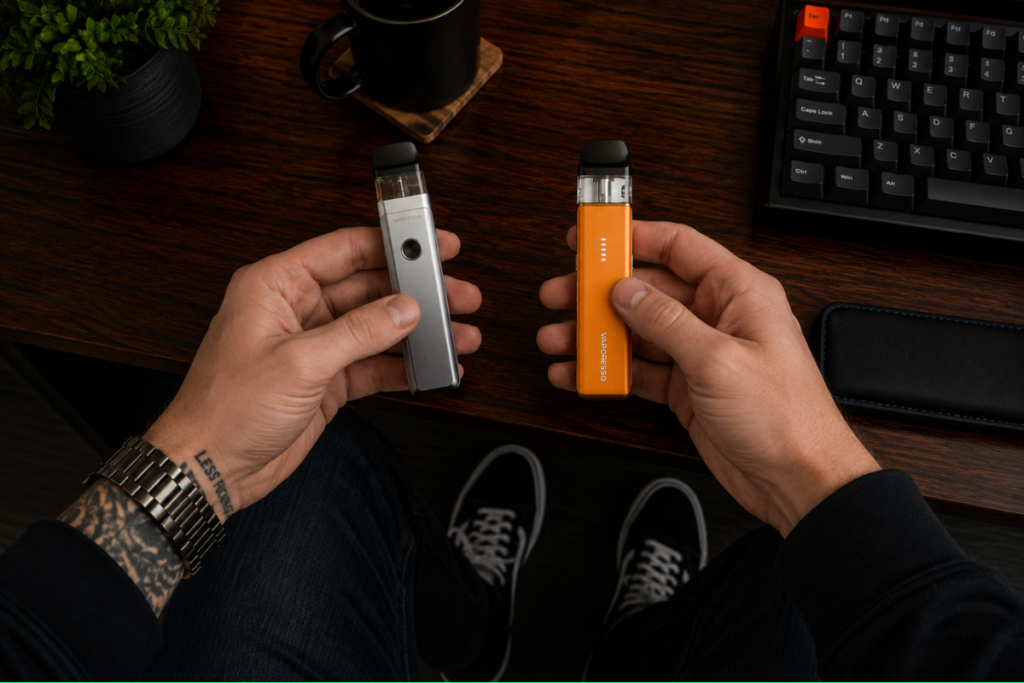 Features · 13 Oct 2026Best IQOS Alternatives 2026: You Can Do A LOT Better… ↗
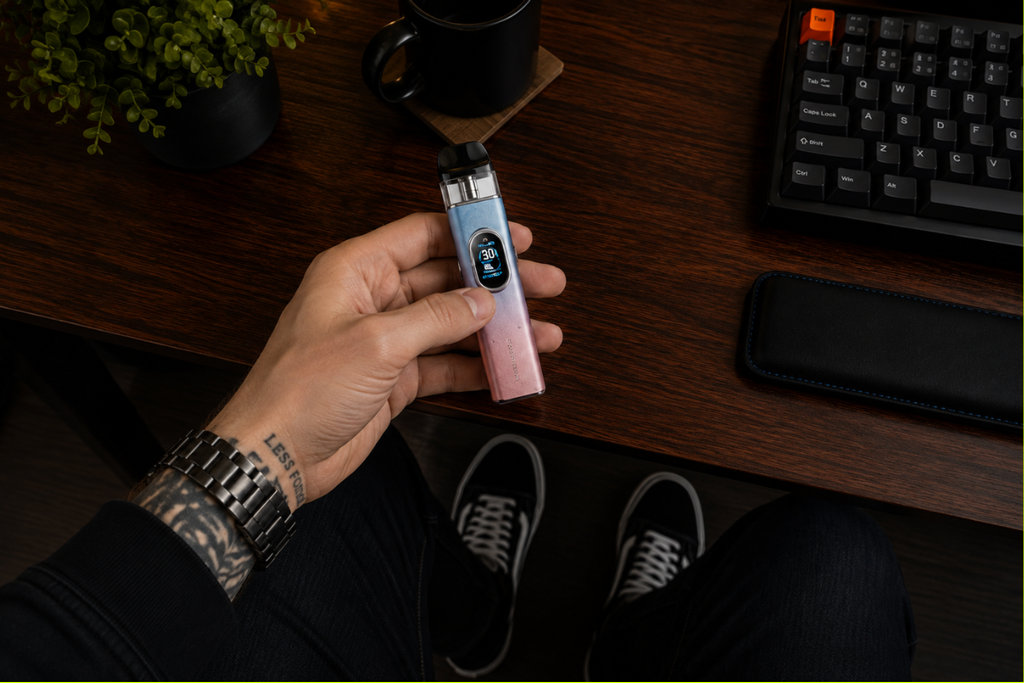 Features · 13 Oct 2026Best IQOS Alternatives 2026: You Can Do A LOT Better… ↗
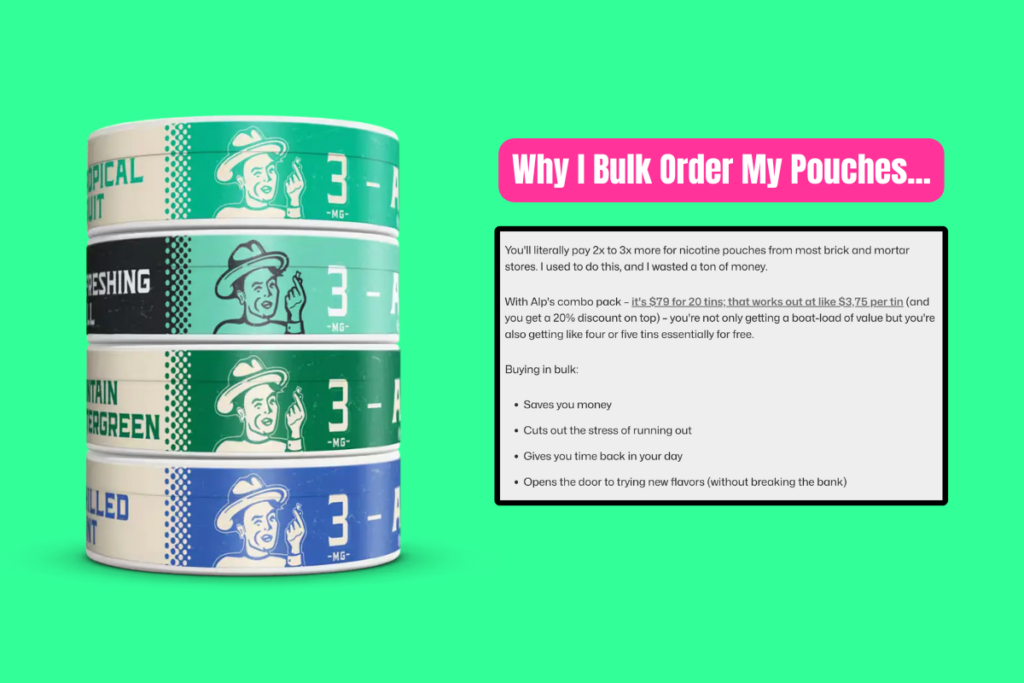 Nic Pouches · 30 Sep 2026Buying Bulk Is The Cheapest Way To Buy Nicotine Pouches, And Here’s How I Do It ↗
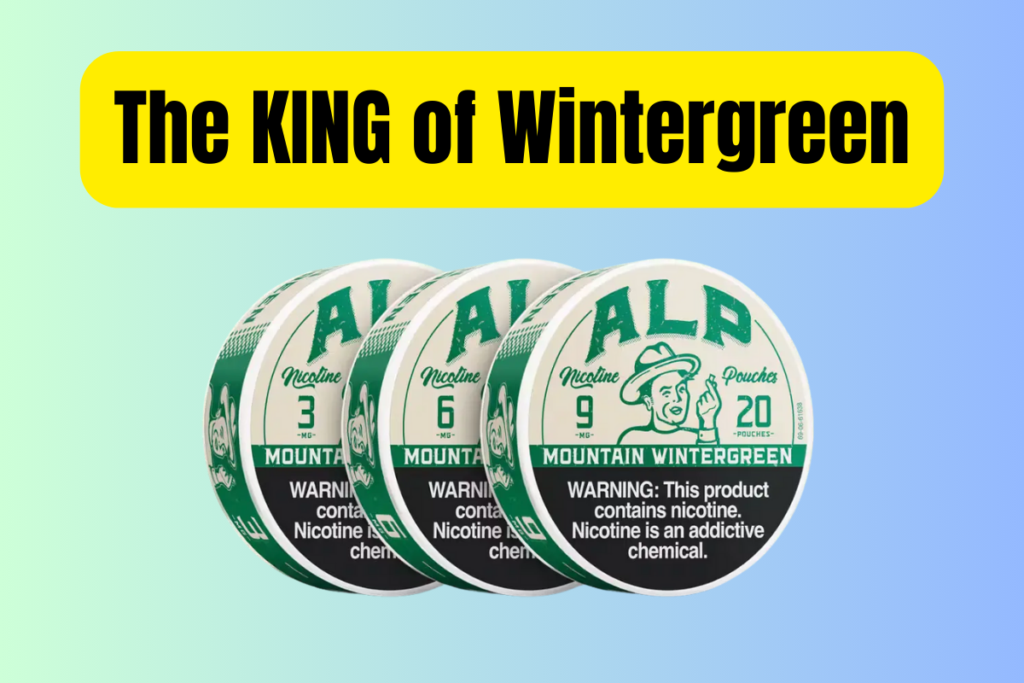 Nic Pouches · 23 Sep 2026My GO-TO Wintergreen Nicotine Pouch Brands (For Last 18+ Months) ↗
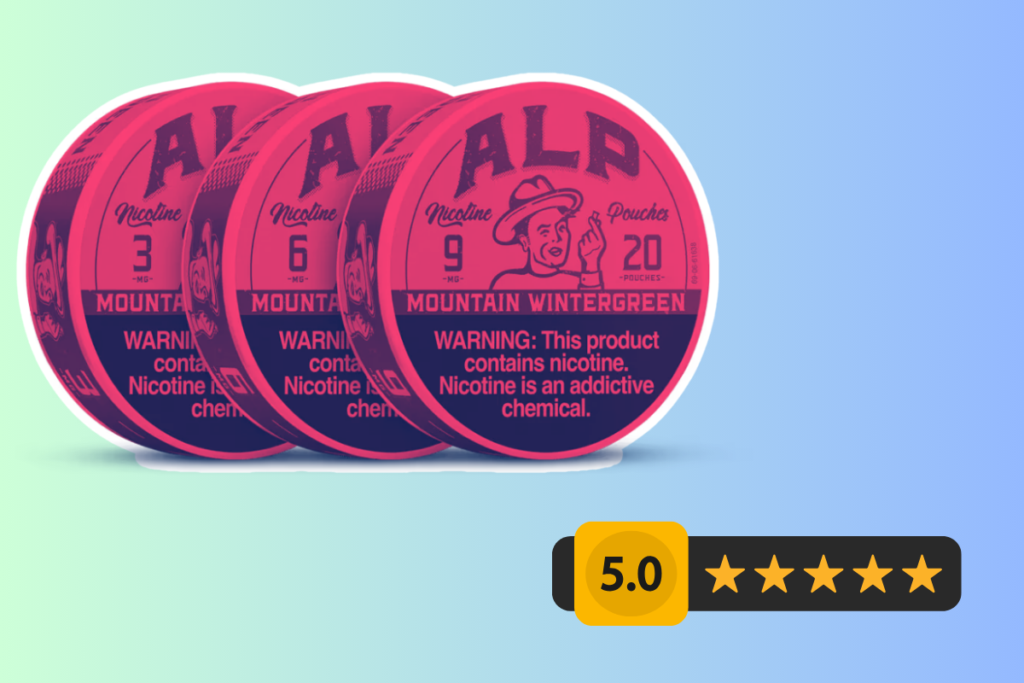 Nic Pouches · 23 Sep 2026ALP Pouches Review: Why I Ditched ZYN For These Moist, Minty Beauties ↗
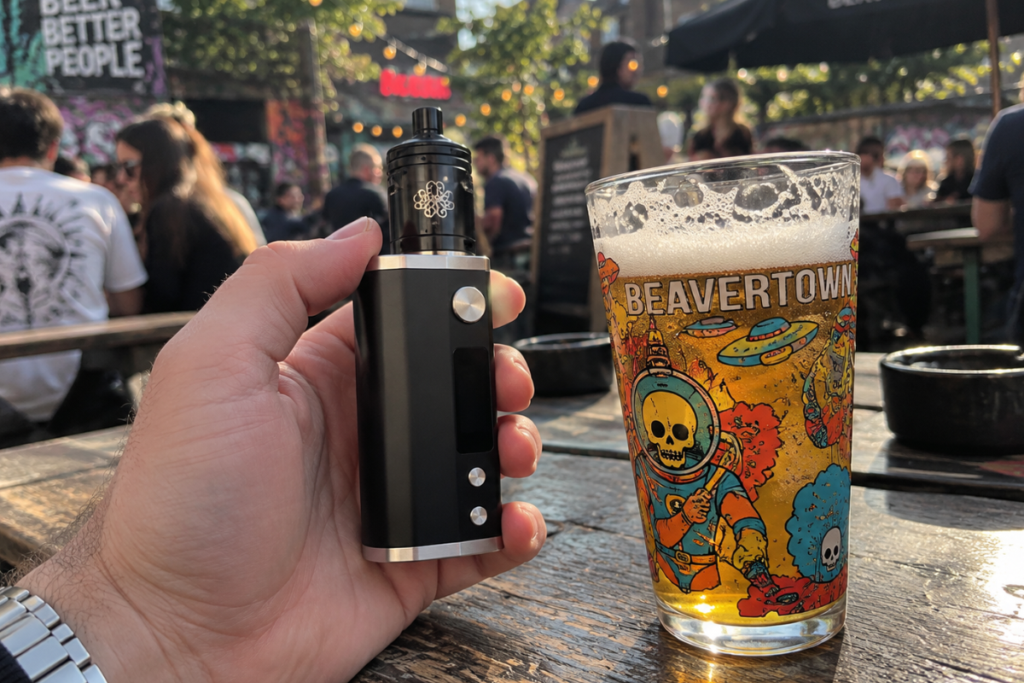 Features · 23 Sep 2026Best Vape Mods 2026: Tested & Ranked By Our Experts ↗
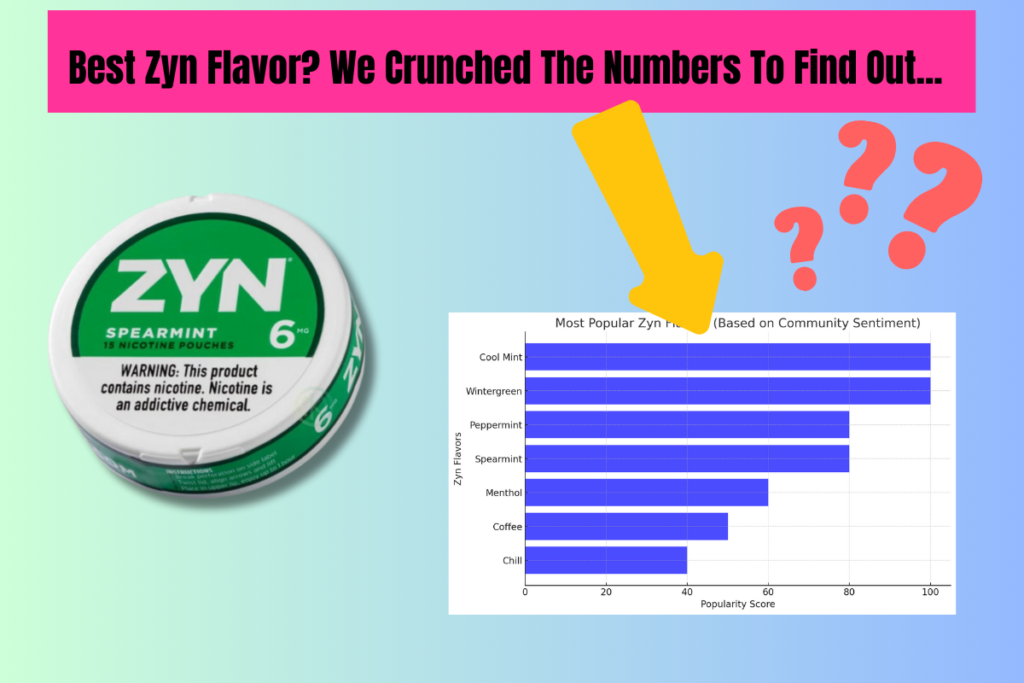 Nic Pouches · 17 Sep 2026Best Zyn Flavors Ranked: We Analyzed 40,000+ Users To Find Out… ↗
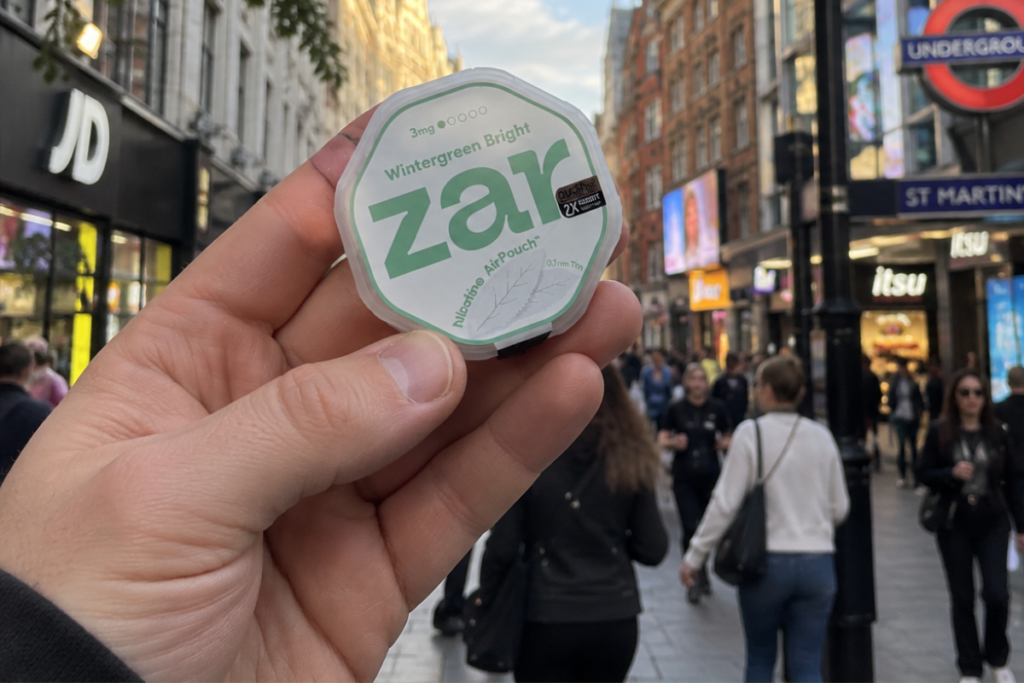 Nicotine Pouch FAQs · 16 Sep 2026How Long Do ZAR AirPouches Last? I Tested Every Flavor To Find Out… ↗
 Nicotine Pouch FAQs · 16 Sep 2026Best Nicotine Pouch For Heavy Smokers? My 2 Cents… ↗
 Nic Pouches · 16 Sep 2026The Most Discreet Nicotine Pouch on the Market And It’s Not Even Close ↗
 Nic Pouches · 15 Sep 2026ZAR AirPouch Nicotine Strength Guide: Which Should You Choose? My Advice… ↗
 Nic Pouches · 15 Sep 2026Top 3 High-Strength Nicotine Pouches Right Now: My Go-To Options ↗
Features · 10 Sep 2026Best YiHi SXmini Mods RIGHT NOW: My Picks For 2026 ↗
Nic Pouches · 15 Sep 2026Top 3 High-Strength Nicotine Pouches Right Now: My Go-To Options ↗
Features · 10 Sep 2026Best YiHi SXmini Mods RIGHT NOW: My Picks For 2026 ↗
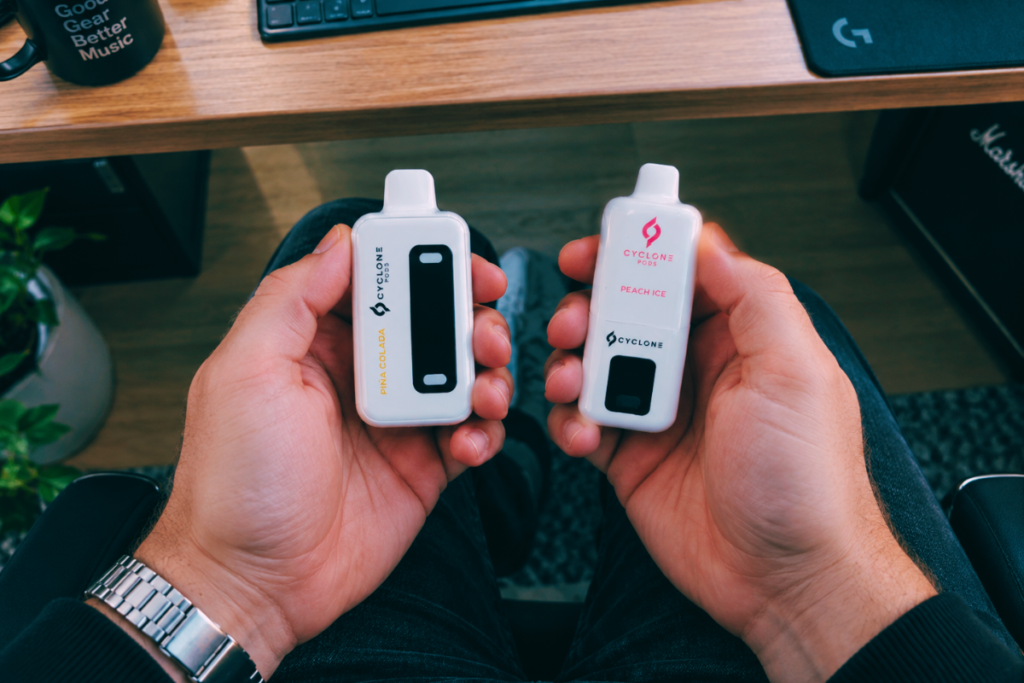 Pod Vapes · 9 Sep 2026Cyclone Gust Pro vs Lightning Pod System: Which One Should You Choose? ↗
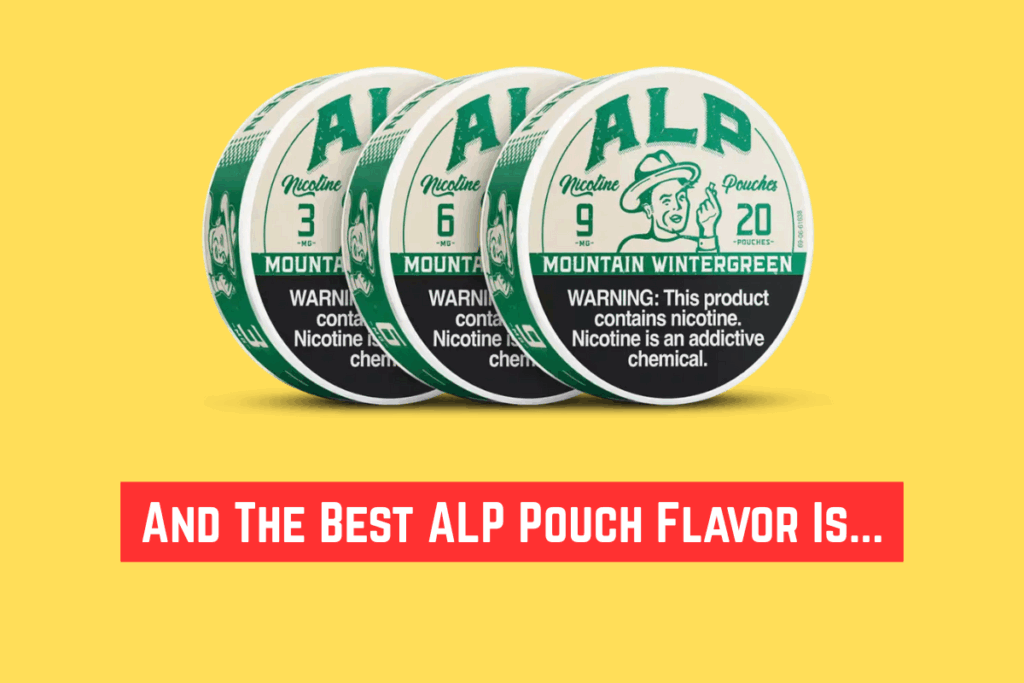 Nic Pouches · 8 Sep 2026The Best ALP Pouch Flavors (My 2 Cents After 12+ Months) ↗
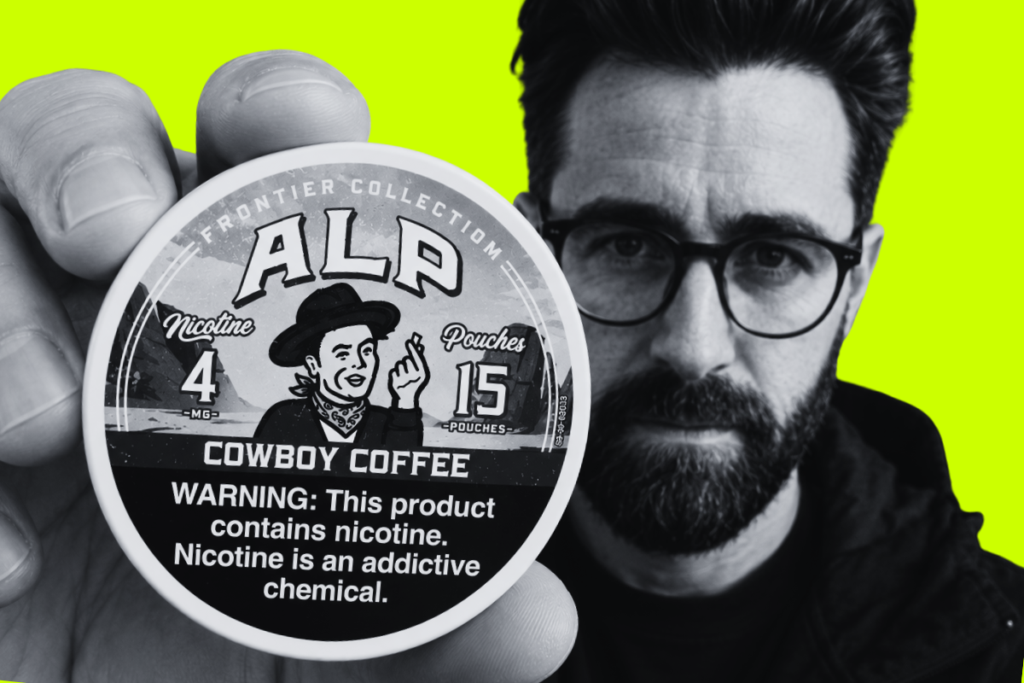 Nic Pouches · 7 Sep 2026My Go-To Coffee-Flavored Nicotine Pouch for 2026 ↗
 Nic Pouches · 7 Sep 2026ALP Frontier Collection Review: Coffee, Cinnamon & Mango For The Win? ↗
Pod Vapes · 2 Sep 2026Vaporesso XROS Pro 2 vs XROS 6: Which Is Best & Why (My 2 Cents) ↗
Nic Pouches · 7 Sep 2026ALP Frontier Collection Review: Coffee, Cinnamon & Mango For The Win? ↗
Pod Vapes · 2 Sep 2026Vaporesso XROS Pro 2 vs XROS 6: Which Is Best & Why (My 2 Cents) ↗
![Which Vaporesso Vape Is Best [2026 Update] – My 2 Cents](https://vapebeat.com/wp-content/uploads/2025/11/Vaporesso-XROS-Pro-2-is-the-best-damn-vape-you-can-buy-1024x683.png) Pod Vapes · 2 Sep 2026Which Vaporesso Vape Is Best [2026 Update] – My 2 Cents ↗
Pod Vapes · 2 Sep 2026Which Vaporesso Vape Is Best [2026 Update] – My 2 Cents ↗
 Nicotine Pouch FAQs · 25 Aug 2026The Nicotine Pouch Alternative For People Who Hate Pouches ↗
Nic Pouches · 25 Aug 2026One of The Best Cola Flavor Nicotine Pouches I’ve Tried To Date ↗
Nicotine Pouch FAQs · 25 Aug 2026The Nicotine Pouch Alternative For People Who Hate Pouches ↗
Nic Pouches · 25 Aug 2026One of The Best Cola Flavor Nicotine Pouches I’ve Tried To Date ↗
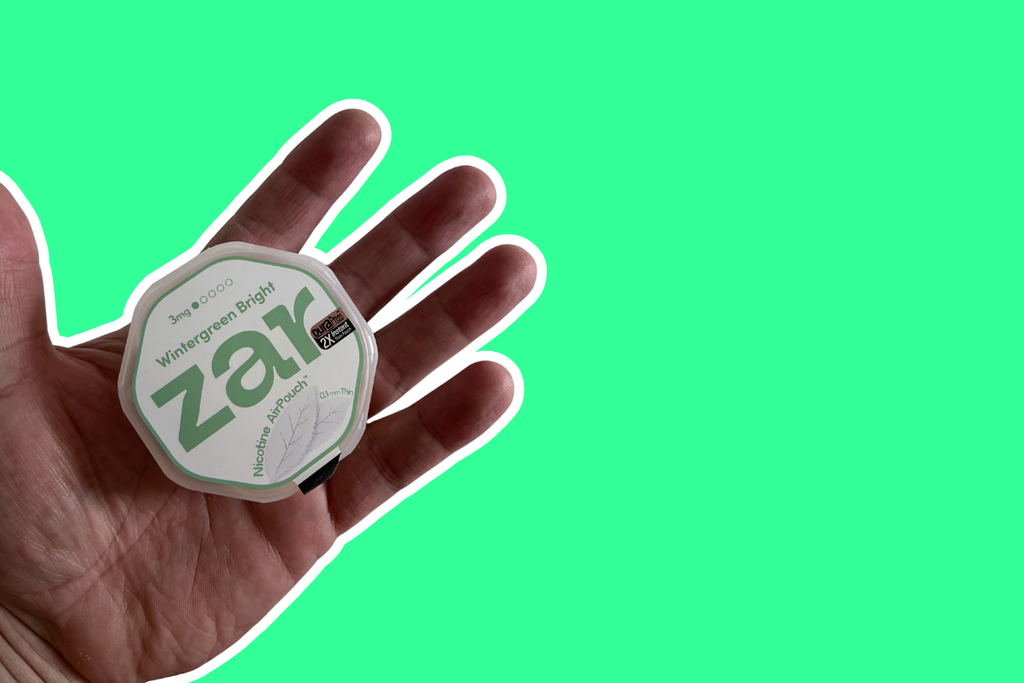 Nic Pouches · 25 Aug 2026Zar AirPouch Flavors Ranked: Best To Worst (After Testing The Entire Range) ↗
![Disposable Vapes With The Most Puffs [2026 Edition]](https://vapebeat.com/wp-content/uploads/2026/01/Disposable-Vapes-With-The-Most-Puffs-2026-Edition-1024x683.png) Features · 5 Aug 2026Disposable Vapes With The Most Puffs [2026 Edition] ↗
Features · 5 Aug 2026Disposable Vapes With The Most Puffs [2026 Edition] ↗
VAPEBEAT RECOMMENDS
View all recommended products

Best pod vapes
The strongest pod kits for flavour, battery life, ease of use and everyday value.
See the recommendation ↗Best dry herb vaporizers
Heating methods, chamber size, battery life and which devices are worth the premium.
See the recommendation ↗Best vape mods
Wattage, battery configuration, durability and the controls that matter in daily use.
See the recommendation ↗Best e-rigs
Repeatable heat, chamber choices and the easiest way into torch-free sessions.
See the recommendation ↗Best disposable vapes
Puff counts, flavour, rechargeability and what makes a high-capacity device worthwhile.
See the recommendation ↗Best nicotine pouches
Strength, comfort, flavour and value, with practical guidance for choosing well.
See the recommendation ↗FREE PDF GUIDE
Brand new to vaping?
If you're brand new to vaping, it can be confusing AF. This guide is basically the culmination of 15 years of experience combined into one easy, free PDF.
EXPLORE MORE VAPEBEAT
Keep exploring.
We’ve been covering the vape industry since 2015, so that’s over a decade. We have tonnes of content covering every possible type of vaping product and category, so check out some of the most popular ones below.
