Weed Vaporizers: How To Switch To Vaping Cannabis (2026)
New to weed vaporizers? Here’s literally everything you need to know about getting started with dry herb vapes, concentrates, and all the different lingo and jargon

·
Dabbing more your thing? Read our dabbing 101 guide for beginners.

Dry Herb Vaporizers Explained And My Top Recommendations
A weed vaporizer heats cannabis to release its active compounds as vapor without setting the plant material on fire. Because there is no combustion, you avoid the smoke and tar created by burning it.
Vapor also produces less lingering smell than a joint and is far more discreet. Devices range from small budget portables to powerful desktop systems, so the right choice depends on where and how you plan to use it.
My current top portable and desktop recommendations.
→ Best On A Tight Budget Dry Herb Vaporizers Under $200Reliable options that don’t cost a small fortune.
→ Best For Home Sessions Cheap Desktop Vaporizers With BagsMore power and vapor without paying Volcano prices.
→ Best Mighty+ Alternatives Portable Vapes Like The Mighty+Strong portable performance at different price points.
→ Best PAX Alternatives Smaller, Smarter PAX-Style VapesDiscreet portable options with better value or performance.
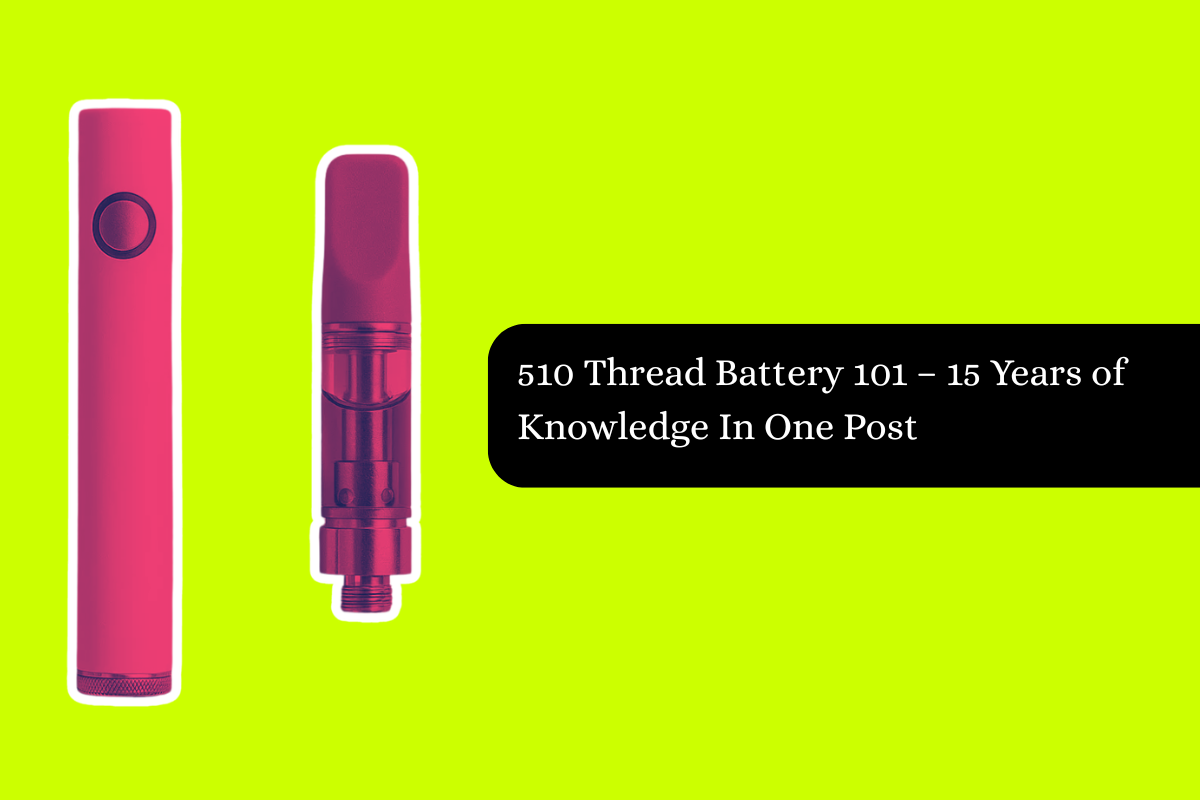
→ Best For Concentrates Dab Rigs And Concentrate VapesStart here if you want to vape concentrates rather than flower.
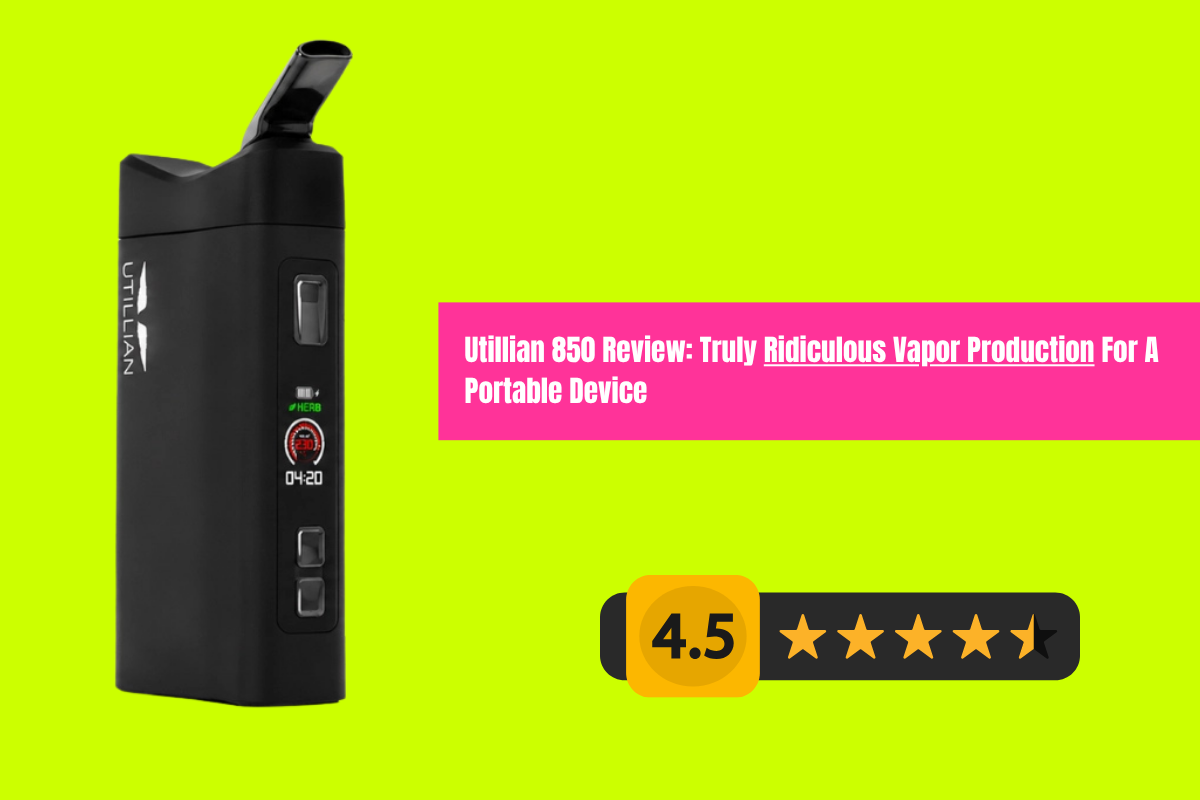
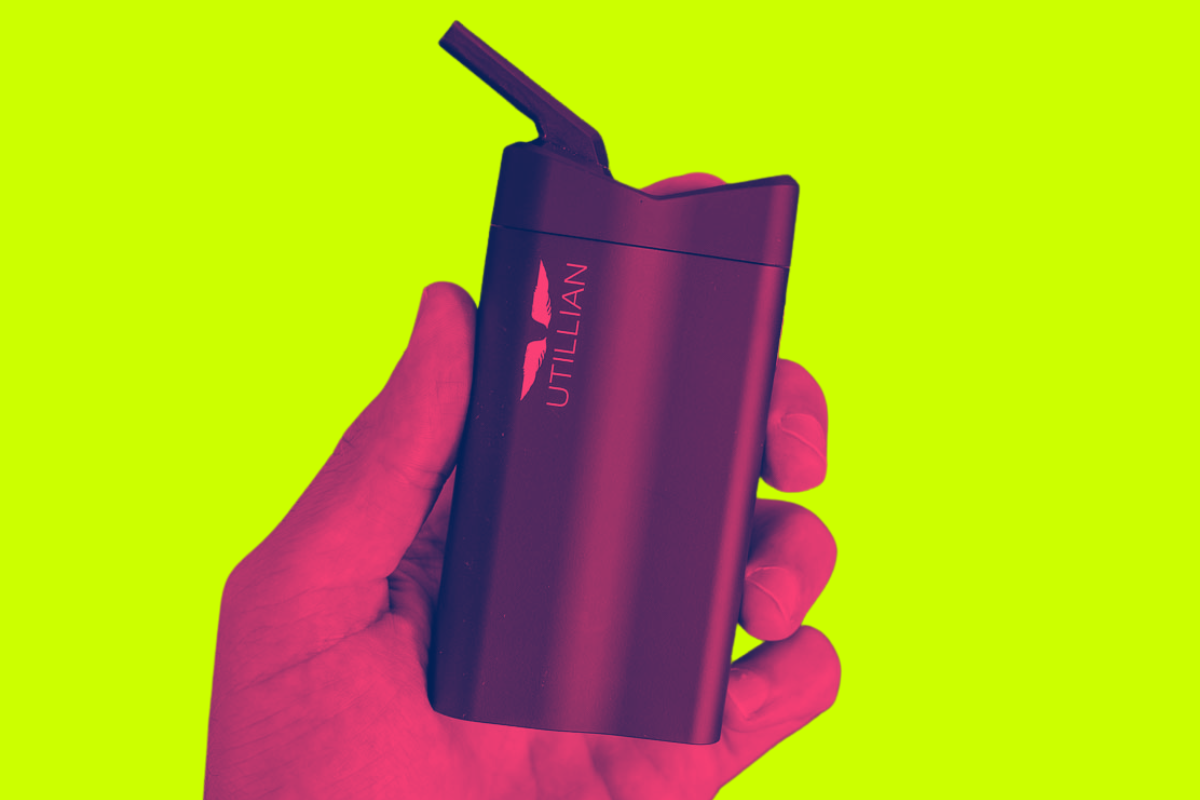
→Portable dry herb vaporizers are the best starting point for most people. They are easier to use, easier to store and usually cost less than a desktop system.
Convection devices pass heated air through the herb rather than relying mainly on direct contact with a hot oven.
This is where build quality, battery life and vapor performance usually start becoming much more dependable.
Start around 180°C and work upward. Most sessions sit between 180°C and 210°C, or 356°F and 410°F.
Dirty ovens, screens and cooling units restrict airflow and cause vapor quality to fall off quickly.
Either way, you’ve landed in the right place.
I’ve been covering weed vaporizers for well over a decade. I’ve tested everything from $50 budget sticks to $700 German engineering.
This page is my definitive breakdown of everything you need to know: the different types, heating methods, temperature settings, what to spend, and which devices are actually worth your money in 2026.
No marketing fluff. No vague recommendations. Just honest, experience-backed guidance.
What Is a Weed Vaporizer (And Why It’s Better Than Smoking)?
A weed vaporizer heats cannabis flower or concentrate to a specific temperature, releasing cannabinoids and terpenes as vapor. Unlike smoking, there’s no combustion. No combustion means no tar, no carbon monoxide, and significantly fewer harmful byproducts entering your lungs.
Smoking burns cannabis at temperatures high enough to destroy a significant chunk of its cannabinoid content before it ever reaches you.
Vaporizing uses lower, controlled heat, so more of what’s actually in the plant gets delivered instead of being burned off. Studies have consistently shown that vaporization extracts a far higher share of cannabinoids than smoking, though the exact figure varies by device, temperature, and how you draw.
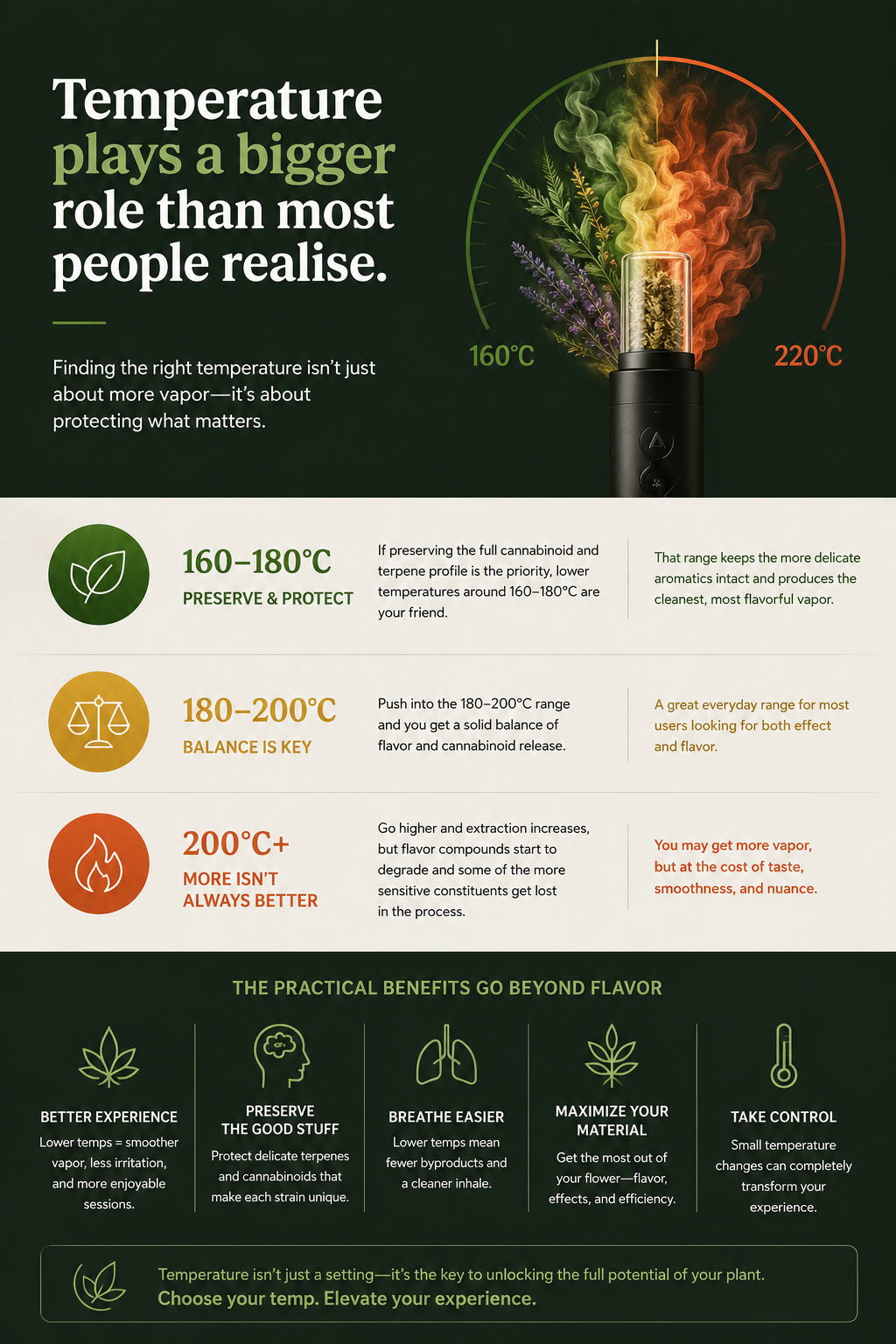
Temperature plays a bigger role than most people realise.
If preserving the full cannabinoid and terpene profile is the priority, lower temperatures around 160–180°C are your friend.
- That range keeps the more delicate aromatics intact and produces the cleanest, most flavorful vapor.
- Push into the 180–200°C range and you get a solid balance of flavor and cannabinoid release.
- Go higher and extraction increases, but flavor compounds start to degrade and some of the more sensitive constituents get lost in the process.
The practical benefits go beyond just what you’re inhaling. Vapor is significantly less harsh than smoke because there’s no tar or combustion byproducts involved.
You’ll also find it more efficient, typically using less flower to get a comparable effect. And the leftover already-vaped bud (AVB) still contains active cannabinoids, so it can be reused in edibles or capsules rather than binned. Nothing goes to waste.
Research backs this up. Studies have consistently shown that vaporizing cannabis produces fewer toxic compounds than smoking it. You’re still inhaling something, so it’s not risk-free. But the reduction in harmful byproducts is significant enough that most cannabis-using adults who care about their health have made the switch.
Beyond health, there’s the flavor argument. When you vape, you’re not incinerating terpenes. You’re preserving them. The difference in taste between a well-vaporized bowl and a smoked joint is striking once you’ve experienced it.
Types of Weed Vaporizers: Which One Is Right for You?
There are four main categories. Each suits a different lifestyle and usage pattern.
Portable Dry Herb Vaporizers

These are the most popular type, and for good reason. They’re battery-powered, pocketable, and work with ground cannabis flower. Most modern portables heat up in under 30 seconds and offer session or on-demand heating modes.
The quality range here is enormous.
- Budget portables under $100 tend to have hot spots and poor vapor consistency.
- Mid-range devices in the $150–$250 bracket are where things get genuinely good.
- High-end portables like the Storz & Bickel Mighty+ and Crafty+ are in a class of their own, though you pay for it.
More Vaporizer Guides, Reviews & Tips
Find the best dry herb vaporizers, e-rigs, dab rigs and desktop devices for your budget and preferred way of vaping.
Loading the latest vaporizer guides…
If you’re looking for the best options across price points, my best weed vaporizers guide covers the current top picks in detail.
And if your budget is tighter, I’ve also put together a dedicated guide to the best cheap dry herb vaporizers under $200 that holds up well against devices costing twice as much.
Desktop Vaporizers

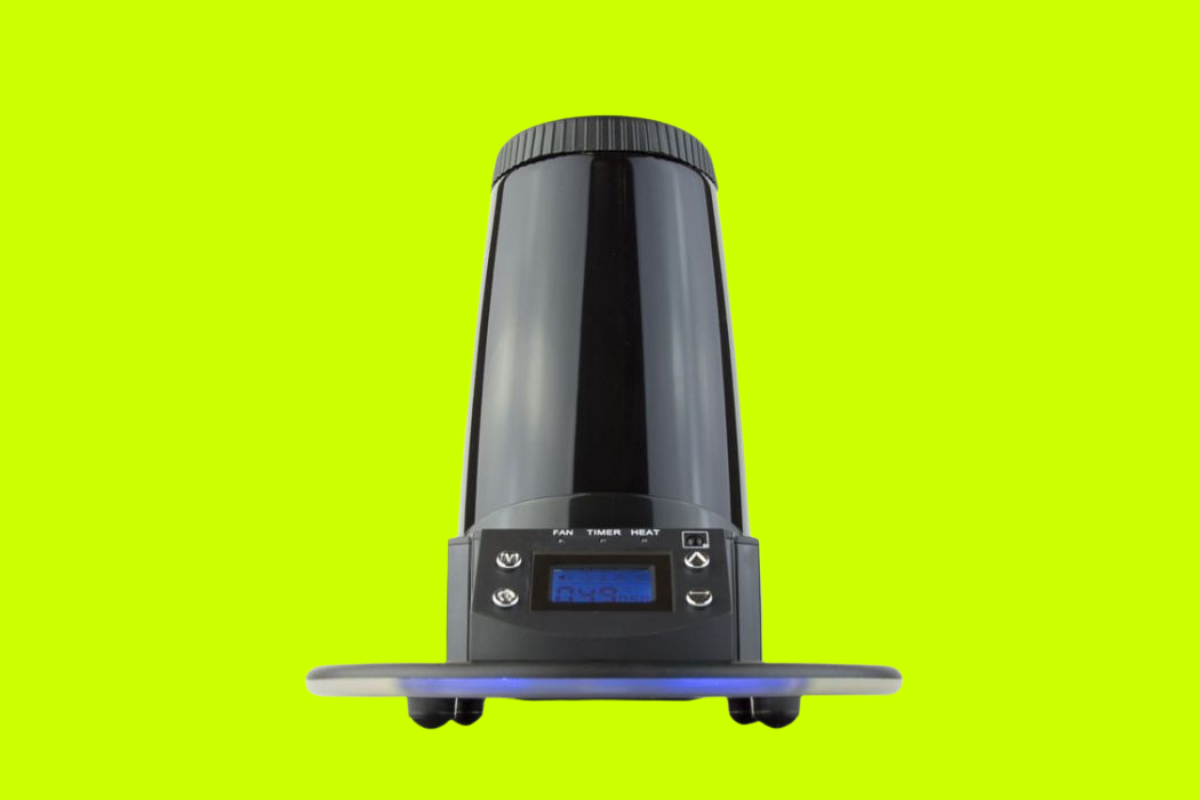
Desktop vaporizers plug into the wall. They’re larger, more powerful, and produce better vapor quality than any portable on the market.
The Storz & Bickel Volcano is the gold standard, but there are excellent, more affordable alternatives like the Arizer XQ2 if you don’t want to drop $500+.
Desktop vapes are ideal if most of your sessions happen at home. You get superior convection heating, longer session capability, and whip or balloon delivery options. If that sounds appealing, check out my roundup of the best cheap desktop vaporizers with bag delivery.
Concentrate Vaporizers and Dab Pens

Dab pens are pen-shaped devices designed for wax, shatter, and other cannabis concentrates. They’re discreet, fast, and require no grinding or packing. Me? I like the PuffCo Pivot most at the moment. It’s compact, discreet, and it hits like a freight train.
The trade-off is that concentrate quality and potency vary wildly, and the experience is more intense than dry herb vaping.
Popular options include the Puffco Plus, Yocan Evolve Plus, and the newer generation of pod-based concentrate pens. If you’re new to concentrates, start slow. The cannabinoid delivery is much faster and stronger than with flower.
eRigs (Electronic Dab Rigs)

eRigs are electronic versions of traditional glass dab rigs. They deliver the full dab experience at a precise temperature without needing a torch. Devices like the Puffco Peak Pro and Dr. Dabber Switch 2 are the benchmark here.
I prefer the Dr Dabber Switch 2. It uses convection heating so you don’t have to mess around with replacement atomizers like you do on the PuffCo Peak Pro.
More Dab Guides, Reviews & Tips
Learn more about dab rigs, e-nails, e-rigs, concentrates and the hardware you need to get the best results.
Loading the latest dab guides…
They’re not portable in any practical sense, but for concentrate enthusiasts who want the best possible flavor and vapor quality at home, nothing else comes close.
Head over to my dab rigs hub for a full breakdown of the best options.
Hybrid Vaporizers

Some devices can handle both dry herb and concentrates. The PAX Four, DaVinci IQ3, and Firefly 2+ all fall into this category with the right accessories.
Hybrid capability sounds ideal, but in practice most people end up sticking to one or the other. Hybrid vapes are a solid option if you want flexibility without buying two separate devices.
Conduction vs Convection vs Hybrid Heating: What’s the Difference?

This is the single biggest factor in vapor quality, and it’s worth understanding before you spend any money.
- Conduction heating works by direct contact. Your ground herb sits against a heated surface, and that heat transfers into the material. Think of it like a frying pan. It’s fast to heat up and tends to produce warmer, denser vapor. The downside is uneven heating and the risk of cooking your material even when you’re not drawing.
- Convection heating passes hot air through your herb. Think oven, not frying pan. The air heats the material evenly and only when you’re drawing. This produces cooler, cleaner, more flavorful vapor and better preserves terpenes. The trade-off is longer heat-up times and typically a higher price.
- Hybrid heating combines both methods. Most of the best portables released in the last few years use hybrid systems. You get the fast heat-up of conduction with the flavor quality of convection. Devices like the Mighty+, Crafty+, and Arizer ArGo all use hybrid approaches to different effect.
For flavor chasers: convection or hybrid. For simplicity and lower cost: conduction. For the best of both: look at hybrid-heating portables in the $200+ range.
How to Choose the Right Weed Vaporizer: 6 Questions to Ask
1. Where will you use it?
Mostly at home? A desktop vaporizer or a high-quality portable on your coffee table will outperform any pocket-sized device. On the move every day? Weight, size, and discretion matter. Aim for something under 150g with an inconspicuous profile.
2. Flower or concentrates?
If you only use dry herb, a dedicated dry herb vaporizer will always outperform a hybrid. If concentrates are your thing, a dab pen or eRig will serve you better than a Swiss Army vaporizer that does everything adequately but nothing exceptionally.
3. What’s your budget?
Here’s the honest version of the vaporizer budget conversation:
- Under $100: Functional but limited. Expect hot vapor, uneven heating, and basic temperature control.
- $100–$200: This is where things get genuinely good. The best dry herb vaporizers under $200 represent exceptional value and will satisfy most users.
- $200–$350: Mid to premium range. Devices like the Mighty+, PAX 3, and DaVinci IQ3 live here. Build quality, vapor quality, and features are all excellent.
- $350+: High-end and desktop territory. Performance is at its peak, but the diminishing returns curve gets steep.
4. How important is battery life?
For portables, battery life is a real differentiator. Most devices give you 60–90 minutes of use per charge. If you want to stop worrying about battery anxiety, look for devices with removable 18650 batteries. You can carry a spare and swap mid-session. The AirVape Legacy Pro and DaVinci IQ3 both support this.
5. Do you want app connectivity?
Some devices connect to a companion app for precise temperature control, usage data, and firmware updates. The PAX Four and Pax Flow, Mighty+, and DaVinci IQ3 all have app integration.
It adds a layer of control that some users love. Others find it unnecessary (myself included). It’s worth knowing what you prefer before you buy.
6. How much will you clean it?
All vaporizers require regular cleaning, but some are significantly easier to maintain than others. Devices with ceramic-lined chambers, removable vapor paths, and simple airflow designs are far easier to keep clean.
Avoid anything with long, convoluted vapor paths if you’re not prepared to commit to regular maintenance.
The Best Weed Vaporizers Right Now
Rather than repeat every review on this page, here’s a quick category-by-category breakdown with links to the full guides.
- Best overall portable: The Storz & Bickel Mighty+ is the GOAT in my humble opinion with its consistent hybrid heating, long battery, and best-in-class vapor quality. Nothing else can touch it. Need a cheaper alternative? I got you covered, padre: best Mighty+ alternatives.
- Best for PAX fans: PAX makes stylish, app-connected portables that are genuinely good. But if you want a similar experience at a lower price, there are strong alternatives. See: best PAX alternatives.
- Best budget option: There are several excellent devices under $200 that outperform devices costing twice as much. See the full best cheap dry herb vaporizers guide.
- Best desktop: If you want the full home-session experience with balloon delivery, the Volcano Hybrid is the benchmark. But if the price is a stretch, there are good cheap desktop options with bag delivery that get you 80% of the way there.
For the complete ranked list across all categories, head to the best weed vaporizers guide. Or, if you want top-shelf hardware for 40% less, check out my guide to buying refurbished vaporizers, dab rigs and desktop rigs.
Weed Vaporizer Temperature Guide
Temperature is the dial that changes everything. The same gram of cannabis will deliver a completely different experience depending on what temperature you vape it at.
Here’s a practical breakdown:
| Temp Range | Effect |
|---|---|
| 160–180°C (320–356°F) | Light, clear-headed high. Maximum terpene preservation. Best for daytime use. |
| 180–200°C (356–392°F) | Balanced vapor. Moderate cannabinoid delivery with good flavor. The sweet spot for most users. |
| 200–210°C (392–410°F) | Denser vapor, stronger effect. Flavor starts to drop slightly. Better for evening use. |
| 210°C+ (410°F+) | Heavy vapor, maximum cannabinoid extraction. Flavor degrades. Increased harshness. Approaching combustion territory. |
My standard recommendation is to start at 185°C and adjust from there. Going lower first lets you get the flavor profile of what you’re vaping before you push into heavier extraction territory.
Fun Fact: Different cannabinoids vaporize at different temperatures. THC vaporizes around 157°C (315°F). CBD needs a slightly higher temperature, around 160–180°C. Terpenes like linalool and myrcene are present at even lower temperatures, which is why a low-temp first draw often hits the hardest in terms of flavor.
How to Use a Dry Herb Vaporizer: Step by Step
If you’re new to dry herb vaping, the process is simpler than it looks and, in most cases, the setup is pretty much exactly the same regardless of what dry herb vaporizer you’re using.
Of course, there’ll be variables in how the individual mechanisms work on different models but the general way you to do, based on testing like 50+ vaporizers over the course of the last 15 years, is more or less the same.
Here’s the basics of loading dry herbs into your vaporizer:
- Grind your herb. A medium-fine grind works best for most vaporizers. Too coarse and airflow suffers. Too fine and material gets pulled through into the vapor path. A two-piece herb grinder is all you need.
- Load the chamber. Fill loosely, don’t pack. Unlike a pipe or bong, vaporizers need airflow through the material to work correctly. Overpacking chokes the device and produces uneven results.
- Set your temperature. Start around 180–185°C for your first session. You can adjust based on the effect you’re after.
- Allow heat-up time. Most devices signal when they’re ready via a haptic buzz, LED color change, or app notification. Wait for the ready signal, don’t draw before it.
- Draw slowly and steadily. This isn’t like smoking. A slow, controlled draw of 5–8 seconds pulls air through the chamber properly. Fast, hard draws reduce vapor quality significantly.
- Take 3–5 draws, then assess. Give the cannabinoids a few minutes to take effect before deciding if you want more. Weed vaporizers deliver differently than smoking.
- Stir the herb. Halfway through a session, open the chamber and give the herb a quick stir. It exposes unvaped material and extends the session.
How to Clean Your Weed Vaporizer
This is the part most people skip until vapor quality tanks. Don’t wait that long. You’ll gunk up the pathway, the bowl will get clogged up with nasty residue and this means more work for you. My routine is simple: I clean whatever I’m using every other week – a proper clean.
This keeps it routine but not like a military operation after every session.
- What you’ll need: Isopropyl alcohol (90%+), cotton swabs, pipe cleaners, a small brush (usually included with the device).
- After every session: Let the device cool, then tap out the spent herb. Run a dry cotton swab around the chamber. Takes 30 seconds. This alone dramatically slows residue buildup.
- Weekly (for regular users): Soak a cotton swab in IPA and wipe down the chamber and screen. Use a pipe cleaner to clear the vapor path. Rinse any glass or silicone components in warm water with mild soap.
- Deep clean (monthly): Disassemble whatever is removable. Soak screens and glass components in IPA for 20–30 minutes. Wipe all residue off internal surfaces. Reassemble and do a dry burn at your lowest temperature to evaporate any remaining alcohol.
A clean vaporizer tastes better, performs better, and lasts longer. It’s that simple.
Dry Herb vs Concentrates: Which Should You Vape?
This isn’t a one-size-fits-all answer. Both have clear advantages depending on your priorities. One word of warning: concentrates are stronger. Much stronger. I prefer to stick to flower for this reason. But I know plenty of people that swear by concentrates.
- Dry herb is more accessible, easier to dose, and produces a more rounded full-spectrum effect. The entourage effect, where cannabinoids and terpenes work together, is most present with whole flower. It’s also easier to find legal, lab-tested flower than it is to find reliable concentrates in most markets.
- Concentrates (wax, shatter, live resin, live rosin) deliver higher potency in a smaller volume. For medical users or those with a high tolerance, concentrates often make more practical sense. Flavor from high-quality live rosin can be extraordinary. The downside is cost, sourcing, and the much steeper learning curve.
My general advice: start with dry herb (including THCA flower), learn the fundamentals, then explore concentrates if your interest takes you there.
Notable Weed Vaporizer Brands
A few manufacturers consistently stand out in every category. After doing this for 15+ years, these are the brands that I like the most and rate the highest for durability, reliability, performance and value for money.
- Storz & Bickel (Germany): The gold standard for portable and desktop vaporizers. The Mighty+, Crafty+, and Volcano Hybrid are flagship products that have maintained their reputation for years. Expensive. Worth it.
- Pax Labs (USA): Pax makes the most aesthetically designed portables on the market. App integration is excellent. Vapor quality is very good but not class-leading at the price.
- Arizer (Canada): Consistent quality at a fair price. The Solo II and ArGo are reliable convection portables. Less flashy than PAX, better value for pure performance.
- DaVinci (USA): The IQ3 is one of the better mid-range portables available. Good app integration, smart paths and dosing capsule system, and a premium build. Worth serious consideration in the $200–$250 range.
- Healthy Rips (Canada): Budget-friendly devices with genuine performance. The Fury Edge punches well above its price. If you’re not ready to spend $200+, a Healthy Rips device is a sensible entry point.
- Dynavap (USA): Completely battery-free. You heat the Dynavap with a torch lighter and a clicking mechanism tells you when you’ve hit the right temperature. It sounds archaic, but the vapor quality is excellent and the devices are virtually indestructible. Cult following for good reason.
Weed Vaporizer Price Guide
| Budget | What to Expect |
|---|---|
| Under $100 | Basic conduction portables. Functional but limited temperature control and vapor quality. Fine as a starting point. |
| $100–$200 | Where quality vaping begins. Mid-range convection and hybrid devices. See the best options under $200. |
| $200–$350 | Premium portables. Excellent vapor quality, durable build, full app support. Most serious users sit here. |
| $350–$700+ | High-end portables and desktop vaporizers. Diminishing returns on portables. This is where desktops earn their keep. |
Wrapping Up
Weed vaporizers have come a long way. Whether you’re after a pocket-sized portable for daily use, a desktop setup for home sessions, or an eRig for concentrates, the 2026 market has better options at every price point than ever before.
The fundamentals matter more than the brand: get the right heating method for your priorities, keep your device clean, and take the time to dial in your temperature settings.
Do those three things and you’ll get dramatically more out of whatever you buy.
For the best current options, start with the best weed vaporizers guide. If you’re still building out your cannabis knowledge more broadly, the full vaporizers category on VapeBeat covers all the latest reviews, comparisons, and news.
FAQ: Weed Vaporizers
Is vaping weed actually healthier than smoking it? The evidence strongly suggests yes. Vaporizing cannabis doesn’t involve combustion, which means you’re not inhaling tar, carbon monoxide, or the carcinogens produced when plant material burns. Studies have found that vaporizing produces significantly fewer toxic compounds than smoking. It’s not risk-free, but it’s a meaningful reduction in harmful exposure.
What temperature should I vape weed at? Start around 180–185°C (356–365°F) for a balanced effect with good flavor. Drop to 165–175°C for a lighter, more cerebral experience that preserves terpenes. Push to 200–210°C for heavier vapor and stronger effect. Going above 210°C risks degrading your material and introducing combustion-adjacent compounds.
How long does a vaporizer session last? A typical bowl in a portable vaporizer lasts 5–10 minutes and yields 4–8 draws depending on temperature and draw technique. Desktop vaporizers can run longer sessions. Most people get through 0.1–0.2g per session before the material is spent (it’ll taste earthy and flavorless when it’s done).
Can I reuse already vaped weed (AVB)? Yes. Already vaped bud (AVB) still contains active cannabinoids, just at a lower concentration. It can be used to make edibles, capsules, or simply eaten (it’s already decarboxylated). The potency varies depending on how hard you pushed the original session, but AVB is useful and shouldn’t be thrown away.
How often should I clean my vaporizer? A quick wipe-down after every session is ideal and takes under a minute. A proper clean of the vapor path and chamber should happen weekly for daily users, fortnightly for moderate users. A full deep clean monthly. Neglecting cleaning degrades vapor quality faster than any other factor.
What’s the difference between a session vaporizer and an on-demand vaporizer? A session vaporizer heats the entire chamber at once and stays hot for a set period. It’s better for relaxed, extended sessions or group use. An on-demand vaporizer only heats when you’re actively drawing, which is more efficient for solo users or micro-dosers who want precise control over each individual hit.
Do weed vaporizers smell? Less than smoking, but yes, there’s still a smell. Vapor dissipates faster and doesn’t cling to fabrics and surfaces the way smoke does. Lower temperatures reduce odor noticeably. If discretion matters, vaping at 180°C with good airflow in the room will minimize how much lingers.
Want the inside scoop on the best weed vapes before your dispensary guy tells you about them? Subscribe to The Atomized and hit that follow button on Facebook.

Heating Methods
Q: What’s the real difference between conduction and convection heating?
Whatever vaporizer you end up using, it’ll use one of two heating methods: conduction or convection. How are these different, you ask?
Alright, here’s the deal:
- Conduction heating directly touches your material to heat it up—think of it like cooking in a frying pan. It’s fast, but you might get some uneven heating.
- Convection, on the other hand, is like baking—hot air circulates around your material for a more even and flavorful experience.
If you’re chasing top-notch flavor, convection is usually the way to go, but conduction vaporizers tend to be cheaper and more straightforward.
Cost
Q: What should I expect to pay for a good vaporizer?
You get what you pay for here. You can grab a budget vaporizer for around $50, but if you want something that’s reliable and performs well, expect to spend between $150-$250.
High-end, luxury devices can run you up to $700 or more, but for most people, the sweet spot is around $200—that’s where performance, portability, and quality come together.
Health Considerations
Q: Is vaping weed really healthier than smoking it?
Short answer: Yes, but let’s break it down. Vaping doesn’t involve combustion, so you’re avoiding the nasty byproducts like tar and carcinogens that come with smoking.
You’re just heating the material enough to release vapor, not burn it. That said, the materials you use and the temperatures you vape at also play a role in how healthy your sessions are. So yeah, vaping is definitely a cleaner option than sparking up a joint.
Battery Life
Q: How long can I expect the battery to last?
Battery life is always an issue with portable vaporizers. On average, most will do a few hours before requiring a top-up. Most also use non-removable batteries too which isn’t ideal when charging times are so slow.
My advice? If you want to not have to worry about battery life, go with a vaporizer that runs removable batteries like AirVape Legacy Pro or the DaVinci IQ3. This way, you can always have a spare battery charged and ready to go.
Heat-up Times
Q: How long does it take to heat up?
Heat-up times can range from 15 seconds to 2 minutes, depending on the vaporizer. If you’re the impatient type or like quick hits, look for something that heats up in under 30 seconds like the PAX Plus.
But if you’re after better, more consistent vapor quality, a device with a slightly longer heat-up time might be worth it. Good things come to those who wait.
Maintenance
Q: How easy are weed vaporizers to clean?
Maintenance depends on the model. Look for devices with removable parts and simple airflow paths for easier cleaning.
Some models will include cleaning kits or tools, but even if they don’t, keep an eye on how easy it is to access the vapor path and chamber. The simpler the design, the easier it is to keep clean.
Odor
Q: Does vaporized weed smell?
Yes, vaporizers produce less odor than smoking, but there’s still a smell, especially at higher temperatures. It’s usually not as strong or lingering, but if you’re vaping indoors or somewhere you need to be discreet, stick to lower temperatures to minimize the smell.
Remember, the material you use will also affect how strong the odor is.
Temperature Control
Q: How precise is the temperature control?
Some devices let you adjust the temperature degree by degree, while others give you preset temperature settings.
If you’re a control freak and want to tweak every aspect of your session, go for a vaporizer with precision control. But if you’re just looking to get started with minimal hassle, preset temps usually get the job done.
Ease of Use
Q: Are vaporizers easy to use?
Some vaporizers are pretty much plug-and-play, while others require a bit more know-how.
Devices with simpler controls—think one-button operation—are great for beginners, but if you want to dive deeper into temperature control, draw technique, and chamber loading, expect a bit of a learning curve. Don’t worry though, you’ll get the hang of it fast. Even the most complex setups are pretty easy to get the hang of.
Meet Drake, the dude behind VapeBeat
If it vapes, I’ve probably used it or tested it. I’ve spent the past decade balls-deep in the vaporization business, covering everything from weed vapes to pod vapes and disposable vapes.
I’ve been to all the main conventions, talked at events, and even been on a few press trips. I like cannabis, I like CBD, I like vaping nicotine and I know what’s good and what’s not – mostly because I’ve been around for so bloody long.
If you want to get my weekly insights on all things vape related, stick your John Hancock below.
Subscribe to my weekly newsletter



Join 20,000 ATOMIZER Lovers Just Like You!

Drake Equation is the founder of VapeBeat. He’s been covering vaporization technology since 2014.
GET UP TO SPEED
Latest Vaporizer & Dab News
The world of weed, dabs, and vaporizers never sleeps. Stay on top of the latest news below…