




TL;DR – What’s The Difference Between Dry Herb Vaporizers and Oil Pens?
Oil pens are easier to start with: insert a cartridge and inhale. Dry herb vaporizers require grinding flower and learning temperature settings, but deliver richer flavour and more control.
Most beginners start with a cart pen and graduate to a dry herb vape later. Me? I prefer dry herb vapes (I currently use the Mighty+ and Utillian 850) because I like flower and its effects over stronger, more unpredictable concentrate / oils effects.
The Deep Dive
If you’re new to vaping cannabis, this question trips up almost everyone. You walk into a dispensary or scroll through a product page and suddenly there are two very different categories staring at you.
The names should be a clue, but let’s unpack what’s actually happening inside each device, because the physics matter.
Dry herb vaporizers work with actual ground flower
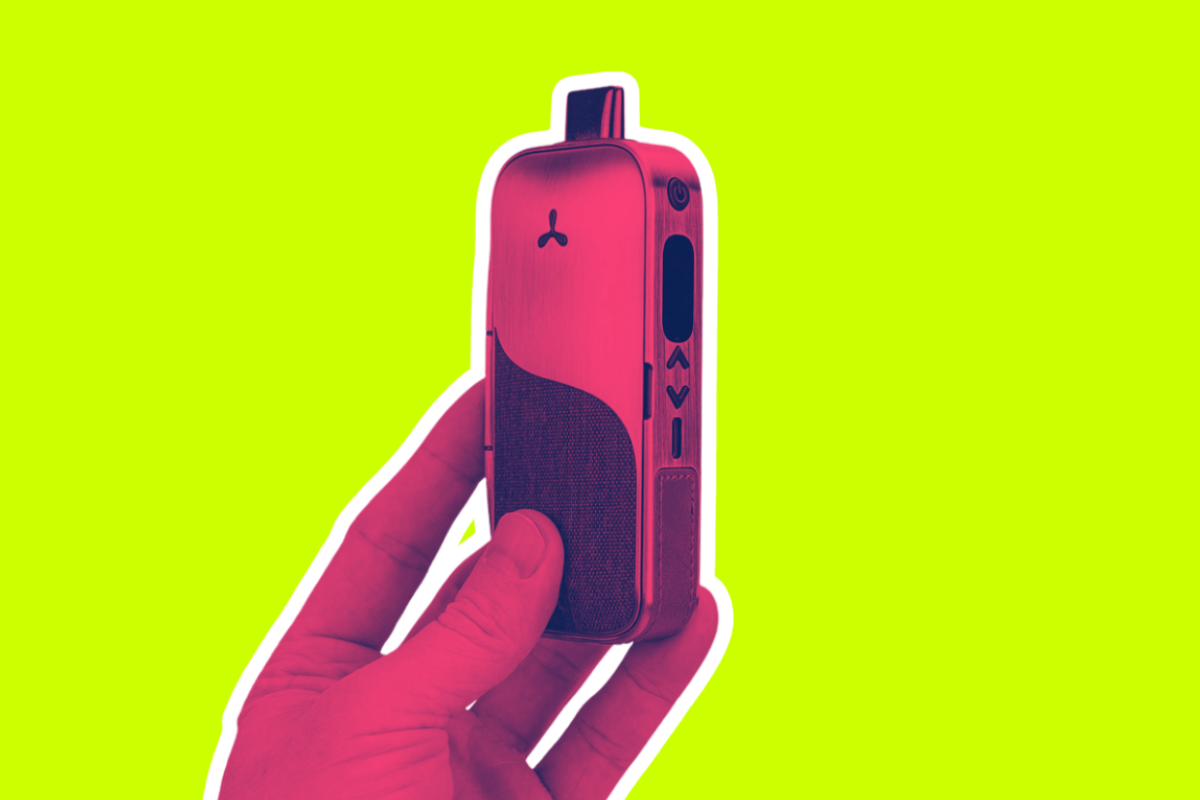
The device heats a chamber, and the hot air flows through your bud, releasing cannabinoids and terpenes as vapor rather than combustion smoke.
There are two heating methods: conduction (the herb touches a hot surface directly, think a stovetop) and convection (hot air passes through the herb, more like a convection oven).
Convection is generally considered the higher-fidelity method. You get cleaner flavour, more even extraction, and better terpene preservation at lower temps.
Devices like the Arizer Solo 3 or DynaVap VonG have built cult followings precisely because of how faithfully they express a strain’s terpene profile. Conduction units like the PAX Plus are faster to heat and more pocket-friendly, but require you to stir your bowl mid-session for even extraction.
Oil Pens

Oil pens, on the other hand, use a 510-thread battery or a proprietary pod system to heat a pre-filled cartridge. The “oil” inside is typically a cannabis distillate or a live resin/rosin oil.
You screw on a cart, press a button (or just inhale), and go.
They are genuinely the simplest on-ramp into cannabis vaping. No grinding, no loading, no cleanup.
Dab pens and 510-thread cart batteries are not the same device – TVape (best wax and oil pen guide).
Cart batteries use pre-filled cartridges containing liquid concentrate — typically a thinner, more refined oil than the wax or shatter you’d load into a dab pen manually. The heating elements differ too: cart batteries use low-resistance coils optimised for viscous oil flow, while dab pens use exposed coils or ceramic buckets designed for thicker, stickier material. The simplest way to choose: identify what material you’re working with first, then pick the hardware built for it
The tradeoffs are real though. You’re trusting the quality of whatever went into that cartridge, terpenes are often re-added after distillation (meaning they’re not always the strain’s natural profile), and hardware quality ranges from excellent to genuinely awful.
A cheap 510 battery firing a premium live resin cart is doing that cart a disservice. Voltage matters. Firing live resin at 3.8V is the easiest way to chaz the cart’s coil and kill the terpenes you paid a premium for.
The experience gap is worth understanding before you spend money.
Dry herb vaping rewards a bit of ritual. You grind fresh, load a chamber, dial in your temperature, and work through a session.
Oil pens are draw-and-go.
Neither is “better” in an absolute sense, but they serve different moments.
If you want to explore what a specific strain actually tastes like, a dry herb vape is your tool. If you want something that fits in an Altoids tin and requires zero prep, a 510 cart setup wins on convenience.
🔥 VapeBeat Insider Tip: New to dry herb vaping? Start your temperature at 175°C (347°F) and work up in 5-degree increments across your session. The first hits at lower temp capture the most volatile terpenes, the flavour notes and the head-effect compounds. Cranking to 200°C+ up front burns through terpenes fast and leaves you with a harsh, muted experience. Treat it like brewing tea, not boiling pasta.
Key Differences at a Glance
| Feature | Dry Herb Vaporizer | Oil / Cart Pen |
|---|---|---|
| What it uses | Ground cannabis flower | Pre-filled oil cartridge |
| Heating method | Conduction or convection | Resistive coil (conduction) |
| Flavour fidelity | High (especially convection) | Varies by cart quality |
| Ease of use | Moderate (grind + load) | Very easy (plug and inhale) |
| Session control | Full temperature control | Limited (voltage tiers) |
| Typical price entry | £50–£150 for a quality unit | £20–£40 battery + carts |
| Maintenance | Requires regular cleaning | Disposable carts, minimal upkeep |
| Concentrate compatibility | Flower only (unless multi-use) | Oil/distillate/live resin carts |
Recommended Starter Devices
Best beginner dry herb vaporizer
The Arizer ArGo or the Boundless CFX+ hit a sweet spot for new users. Both offer true convection heating, straightforward temperature controls, and build quality that won’t frustrate you out of dry herb vaping within a week.
The ArGo in particular has a glass stem design that makes cleaning intuitive, which matters when you’re learning the maintenance side. You can check out how these stack up against broader category options in our guide to choosing a dab rig and the wider vaporizer ecosystem.
Best beginner oil pen setup
A variable-voltage 510 battery is non-negotiable. Don’t use a fixed 3.3V pen with a live resin cart. The CCELL Silo or Yocan Uni Pro both let you dial voltage precisely, which protects premium cart oil.
If budget allows, brand-integrated systems like the PAX Era Pro (for PAX-compatible pods) or the Puffco Cupsy give you a closed ecosystem where the hardware and oil are matched.
When you’re ready to graduate from carts into concentrates entirely, our roundup of top-tier electric dab rigs is where to look next.
What About Taste and Health Considerations?
Neither method combusts which is the baseline win for both. You’re not burning plant material and inhaling carbon monoxide and benzene the way a joint or a pipe produces.
That said, vaping is not risk-free, and the quality of what’s in your cartridge matters enormously.
Cartridges have had documented adulteration issues historically; the 2019 EVALI outbreak was largely tied to vitamin E acetate in illicit-market carts.
Buying from licensed dispensaries with lab-tested products is not optional advice, it’s how you use this category safely.
Dry herb vaping is generally considered lower in combustion byproducts than smoking, but “lower” is not “zero.” If you’re using it medically or wellness-focused, knowing what’s in your flower and your hardware is part of the deal.
Check out our terpene and vaporization glossary to get grounded in the compounds you’re actually vaping and why temperature control affects them differently.
Bottom Line?
- Want to taste the actual strain? Go with a dry herb vape, convection preferred.
- Want maximum convenience, zero prep? Oil pen with a variable-voltage battery.
- Budget under £50? Start with a 510 battery and quality carts.
- Budget £100–£150? The ArGo or CFX+ will serve you for years.
- Ready to go further into concentrates? That path leads to e-rigs. Our guide to best portable concentrate vaporizers covers that territory in full.