




TL;DR
- Disposables aren’t just “a battery and some juice.” Battery sizing, draw sensors, coil material, and airflow are all engineered decisions, and they explain why two devices with the same puff count can feel completely different.
- If you’re in the UK, this matters slightly differently to you than it does in the US. Sealed single-use disposables have been illegal to sell here since June 1, 2025. What survives are rechargeable pod systems built the same way disposables used to be, just with a USB-C port and a refill option (or none, depending on the model).
- The three things that actually separate a good device from a bad one: how evenly the coil heats from first draw to last, whether the airflow matches how you like to pull, and whether the battery genuinely lasts as long as the reservoir does.
- Reservoir size tells you roughly how long a device lasts, but not flavor quality. Don’t buy on capacity alone.
I’ve pulled apart more disposables than I can count over the past decade, and the thing that still catches new vapers out is assuming they’re all the same. They’re not. There’s real engineering going on inside these things, and once you know what to look for, you’ll stop picking devices at random and start picking ones that actually suit how you vape.
Quick note before we get into it. In the UK, the sealed single-use disposable is dead. The ban that came into force in June 2025 killed off the “vape it dry, bin it” format entirely. What’s replaced it are rechargeable pod systems, built to feel and behave almost identically, minus the landfill problem.
Everything below still applies to those, and it applies directly if you’re reading this from the US, where disposables are still on shelves (albeit without FDA marketing authorization for most brands still selling them).
Why It’s Called “Disposable” in the First Place
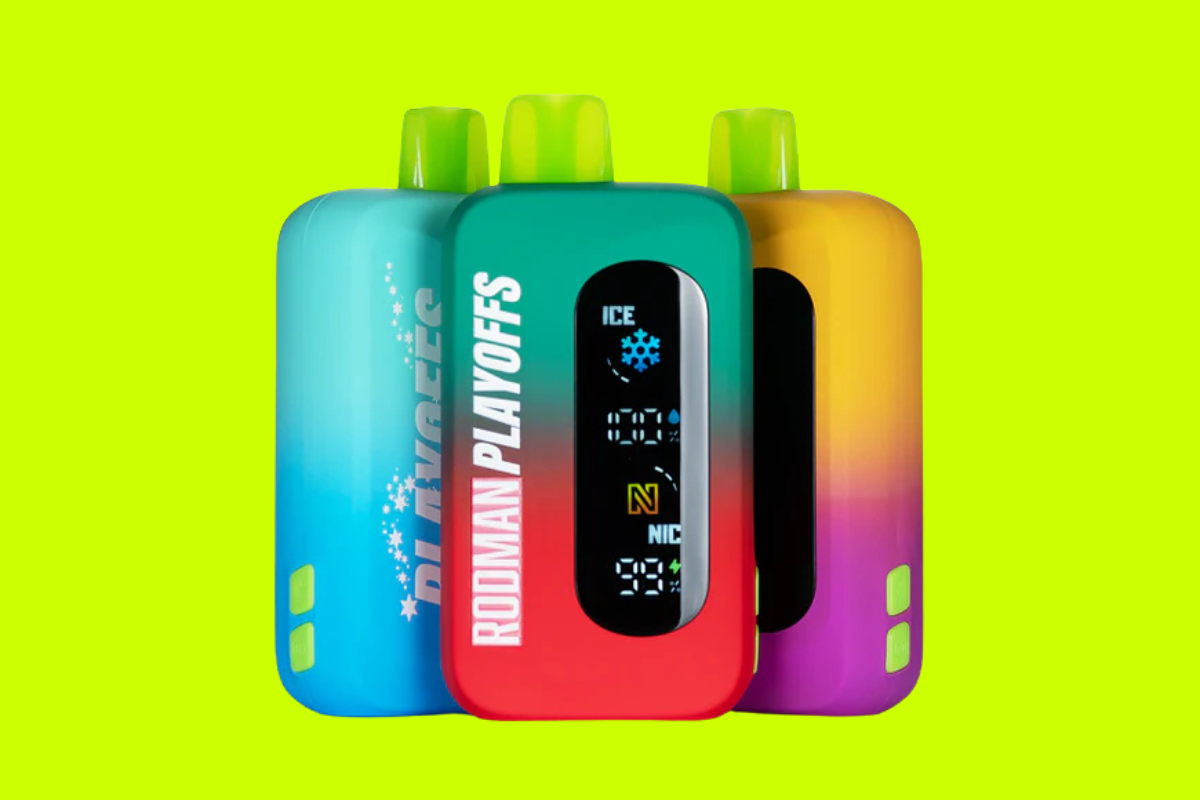
The name is doing exactly what it says. One sealed unit, no refills, no charging (on the old-style versions), no maintenance. Battery, coil, and e-liquid all live inside one shell, and once one of them runs out, the whole device goes in the bin (or ideally your nearest vape recycling point, not your regular waste).
That simplicity is the entire pitch. No coil swaps, no leaking tanks, no wondering if you’ve got the wattage right. You open the pack and it works.
Battery Sizing Isn’t an Afterthought
Here’s something most people never think about: the battery inside a disposable is chosen to match the size of the e-liquid reservoir, not just bolted in as a generic cell. Manufacturers want the power to run out at roughly the same time as the liquid does. Get that balance wrong and you either end up with a dead battery and juice left over, or a device that’s still got charge but nothing left to vape.
Most decent devices now include a small LED that flags low battery, which takes the guesswork out of wondering how much life you’ve got left. It’s a small feature, but I notice immediately when it’s missing. I’m currently using the Burn disposable vape and, yes, it has all of these things (which is why I’m using it).
Draw-Activated Firing and Airflow
Nearly every disposable and disposable-style pod system on the market now fires automatically when you inhale. There’s no button. A pressure sensor inside detects airflow the moment you draw and triggers the coil. It sounds simple, and it is, but getting the sensitivity right (not so touchy it fires from a light sniff, not so dull you’re sucking hard to get it going) is where cheaper devices tend to fall down.
Airflow design is the other half of this. Some devices are built tight and restrictive, closer to a cigarette pull. Others open the airway right up for a looser, airier draw. Neither is “better,” it’s entirely down to what you’re used to. If you came from smoking, start tighter. If you like a looser, more open pull, look for devices that advertise adjustable or wide-bore airflow.
The Heating Element Is Where Quality Actually Shows
Inside every device is a small heating element, either a traditional coil or a ceramic core, and this is genuinely where the difference between a good and bad disposable shows up. Ceramic coils tend to heat more evenly across the whole surface, which cuts down on the burnt taste that plagued a lot of older cotton-wick designs, especially near the end of a device’s life.
What I actually care about when I’m testing one of these is consistency draw to draw. A coil that tastes great on puff one and burnt on puff four hundred isn’t a good coil, no matter how nice the marketing copy sounds.
Reservoir Size Tells You “How Long,” Not “How Good”
| Reservoir Size | Typical Puff Count | Best For |
|---|---|---|
| Small (2ml or under) | 300-600 puffs | Trying a new flavor, pocket portability |
| Mid (2-5ml) | 3,000-10,000 puffs | Regular daily use without carrying a spare |
| Large (5ml+) | 15,000+ puffs | Heavy use, fewer device changes per month |
Capacity is one of the clearest specs for comparing devices at a glance, but don’t let a big number sell you on quality. A larger reservoir just means more liquid behind the same coil. If the coil’s mediocre, a bigger tank just gives you more mediocre vapor for longer.
Flavor Development Has Actually Come On
This is one area where the category has genuinely improved. Flavor houses are working with a much wider range of terpene blends and flavoring techniques than they were even three or four years ago. Some brands lean into big dessert and candy profiles, others go for cleaner, more natural fruit and menthol builds.
Fun Fact: Terpenes, the aromatic compounds flavor developers borrow techniques from, are the same compounds responsible for the smell difference between a lemon and an orange. E-liquid flavorists use synthetic versions of the same building blocks nature does.
If flavor matters to you (and it should), look at a brand’s full range rather than judging off one device. Most brands run several flavor variants across the same hardware, so one bad flavor doesn’t mean the whole line’s bad.
Design and Portability Details Worth Noticing
Portability is still the main reason people reach for a disposable-style device over a mod. Most are built slim enough for a pocket, and manufacturers now put real thought into finish, grip, and shape rather than just churning out plain plastic tubes.
Small touches are worth checking for: a cap over the mouthpiece to keep it clean in a bag, a flat base so it stands upright on a table instead of rolling off, rubberized grips that don’t feel cheap after a week of use.
Safety Features You Won’t Notice Until You Need Them
Decent devices include basic protections most people never think about until something goes wrong. Short-circuit protection stops the device overheating if there’s an internal fault. Some also include a cooldown cutoff that briefly disables the heating element after several rapid draws in a row, giving the battery a chance to cool.
These features rarely get top billing on packaging, but their presence (or absence) tells you a lot about how seriously a brand takes manufacturing standards.
What the Packaging Tells You
Packaging transparency has improved industry-wide. Batch numbers, production dates, and basic usage info are now common on the box itself, which makes it a lot easier to know exactly what you’re buying and when it was made. If a brand’s packaging is vague or missing this information entirely, that’s worth treating as a small red flag, not a dealbreaker on its own, but a signal to double-check reviews before you buy.
Tips If You’re New to This
Start with shorter draws rather than long pulls so you get a feel for the airflow and strength before committing to a big hit. Store the device upright where you can, and keep it out of extreme heat or cold, both will affect performance and battery life. And check your local age and purchasing rules before you buy anything, since these vary by country and, in the US, by state.
Wrapping Up
Disposables and disposable-style pod systems have quietly gotten a lot smarter: better battery matching, smarter draw sensors, more even heating, and clearer packaging. None of that matters if you’re picking blind on price alone. Once you know what to actually look for (coil consistency, airflow style, and honest reservoir sizing) you’ll stop guessing and start picking devices that actually suit you.
If you’re brand new to any of this, grab my free New Vaper’s Guide, it’s 15+ years of hands-on testing distilled into one PDF, and it’ll save you from the mistakes most people make in their first month.
For UK readers specifically, have a look at our rechargeable disposable alternatives now that sealed single-use devices are off the shelves here.