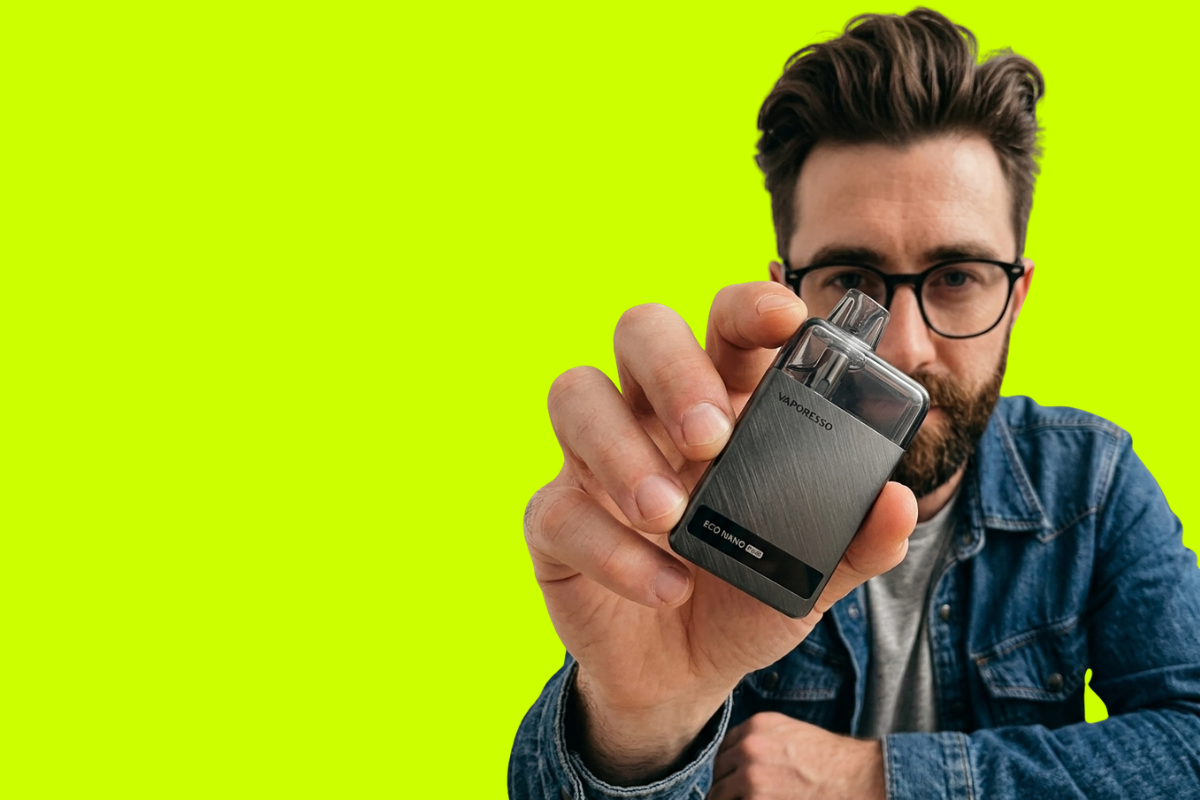




So here’s something the vape industry doesn’t talk about enough: your $300 vaporizer is only as good as what you put in it.
I’ve tested a lot of dry herb vapes over the years. PAX, Arizer, Storz & Bickel, Mighty+, you name it. And the one thing that separates a genuinely great session from a mediocre one isn’t always the device.
It’s the flower.
Specifically, how fresh it is, how it was cured, and whether it was grown cleanly. That’s what pushed me down the home cultivation rabbit hole, and honestly, I haven’t looked back.
If you’re serious about getting the most from your dry herb vaporizer, buying your own seeds and growing boutique-quality flower at home is the logical next step, and it’s easier than you think – there’s an entire industry built around doing just this.
Every seed we sell is covered by our germination promise. If your seeds don’t sprout, we replace them. No questions, no hassle – Buy Weed Seeds
And that’s just one company. There’s hundreds more just like it online.
Why Your Vaporizer Deserves Better Flower
Vaporizing cannabis is fundamentally different from smoking it. When you combust flower, terpenes get torched before they ever reach your nose. A quality vaporizer operates at lower temperatures, gently extracting those aromatic compounds from the plant material rather than destroying them.
The problem is:
- Most dispensary flower has been sitting in a sealed bag for weeks.
- Moisture content is off.
- Terpenes have degraded.
- And pesticide residue? That’s a real concern when you’re pulling vapor directly into your lungs rather than combusting it.
Growing your own solves all of that. You control the inputs, the cure, and the harvest timing. The result is flower that’s calibrated specifically for low-temperature vaporizing, not just for visual appeal on a shelf.
Fun Fact: Terpenes start degrading within hours of harvesting if flower isn’t properly handled. By the time commercially grown cannabis reaches a dispensary, it can have lost up to 55% of its original terpene content depending on storage conditions.
Choosing Strains That Actually Perform in a Vaporizer
Not all cannabis genetics are created equal for vaping purposes. When you grow your own, you get to pick strains specifically for vaporizer performance. That’s a genuine advantage. Here’s what to look for:
- High-resin producers. Frosty, trichome-heavy genetics mean more vapor per bowl. If you’re packing a Storz & Bickel Crafty+ or a Dynavap, you want buds that are dense with resin, not airy and sparse.
- Terpene-forward cultivars. If flavor is your priority (and if you’re into vaping, it probably is), look for genetics with high concentrations of limonene (citrus), linalool (floral), or beta-caryophyllene (spicy, peppery). These are the compounds that make a great vape session taste like something.
- Balanced CBD/THC ratios. Commercial markets rarely stock genuine 1:1 or 2:1 CBD/THC cultivars. Growing your own means you can source seeds for exactly the effect profile you want. This is especially useful for daytime vaping or anyone using cannabis for functional reasons rather than recreation.
You can buy a wide range of genetics, including strains bred specifically for resin production and terpene expression. It’s worth doing your homework on the genetics before you commit.
The Tech Side of Home Growing (You’ll Like This Part)
If you’re the kind of person who obsesses over vaporizer specs and firmware updates, home growing has a gear side that’ll scratch the same itch.
Modern indoor cultivation is genuinely high-tech. Smart LED grow lights now come with app integration and programmable spectrums. You can simulate sunrise and sunset from your phone. Automated irrigation systems handle nutrient delivery on a schedule, removing most of the guesswork. Environmental controllers monitor vapor pressure deficit (VPD), CO2 levels, and temperature simultaneously, keeping your plants in the ideal growth window.
For anyone who’s spent time dialing in wattage curves and coil builds, the precision of modern home growing feels familiar. It’s a system you optimize over time, and the payoff is flower you simply can’t buy anywhere.
Fun Fact: The concept of vapor pressure deficit (VPD) comes from industrial agriculture. Cannabis cultivators borrowed it to optimize transpiration rates in plants, leading to significantly higher yields and resin production in controlled indoor environments.
Harvest, Cure, and Load: Closing the Loop
Here’s where it all comes together. When you grow your own, you harvest at peak ripeness, not at whatever point was most convenient for commercial logistics. You cure the flower yourself, bringing moisture content to the 58-62% sweet spot that most vaporizer manufacturers recommend for optimal performance.
Then you grind it fresh, pack your chamber, and load the cleanest, most flavorful material you’ve ever put through a device.
It’s a genuinely different experience. And once you’ve had a session with properly cured, homegrown flower in a quality vaporizer, going back to dispensary shelf stock feels like a step backward.
There’s a saying in the industry that I like: homegrown beats commercial-grown every day of the week, and especially on a Sunday.
Who This Is For
Home cultivation isn’t for everyone. But it’s worth considering if:
- You own a quality dry herb vaporizer and feel like you’re not getting everything out of it
- You care about terpene profiles and flavor more than raw potency
- You want full control over what goes into your lungs
- You live somewhere home cultivation is legal and practical
- You enjoy technical hobbies and are comfortable learning a new system
If you’re brand new to the cannabis side of vaping and still figuring out the basics, check out our weed vaporizer guide first. And if you’re new to vaping altogether, grab my New Vaper’s Guide, it’s 15+ years of experience in one free PDF.
FAQ
Does homegrown flower actually vape better than dispensary cannabis? It can, yes, but it depends on execution. Properly grown, dried, and cured homegrown flower will outperform poorly handled commercial product. The key variables are cure time, moisture content, and avoiding contamination during the grow. Get those right and the difference in a quality vaporizer is noticeable.
What moisture content is best for dry herb vaporizers? Most dry herb vaporizer manufacturers recommend flower at 58-62% relative humidity. Too dry and you get harsh, fast burns. Too moist and the flower won’t vaporize efficiently. Boveda packs in your storage jars will keep your cure in the right range automatically.
How long does it take to grow cannabis from seed to harvest? Depending on the strain, you’re looking at 10-16 weeks from germination to harvest for most photoperiod strains. Autoflowering genetics can finish faster, sometimes in 8-10 weeks. Factor in a 2-4 week cure period on top of that before the flower is ready to vape.
Is home cannabis cultivation legal? Laws vary significantly by country, state, and even city. In many US states where cannabis is legal for adult use, home cultivation is permitted with plant count limits. Check your specific local regulations before starting. This article does not constitute legal advice.
What’s the easiest strain to start with as a beginner grower? Autoflowering strains are generally recommended for beginners. They flower based on age rather than light cycle changes, which removes one major variable. Look for strains described as “beginner-friendly” or “resilient” in seed bank descriptions.
Wrapping Up
If you’ve invested in a quality dry herb vaporizer, the flower you use matters as much as the device itself. Home cultivation gives you control over every variable from genetics to cure, and the end result is sessions that actually reflect what your hardware is capable of delivering.
It’s a bigger commitment than buying an eighth, of course, but for anyone who takes vaping seriously, it’s worth exploring. And you’ll learn a lot about looking after plants too which is always handy!
Regulations vary by location. Check your local laws regarding cannabis cultivation and use. These statements have not been evaluated by the FDA. These products are not intended to diagnose, treat, cure, or prevent any disease.