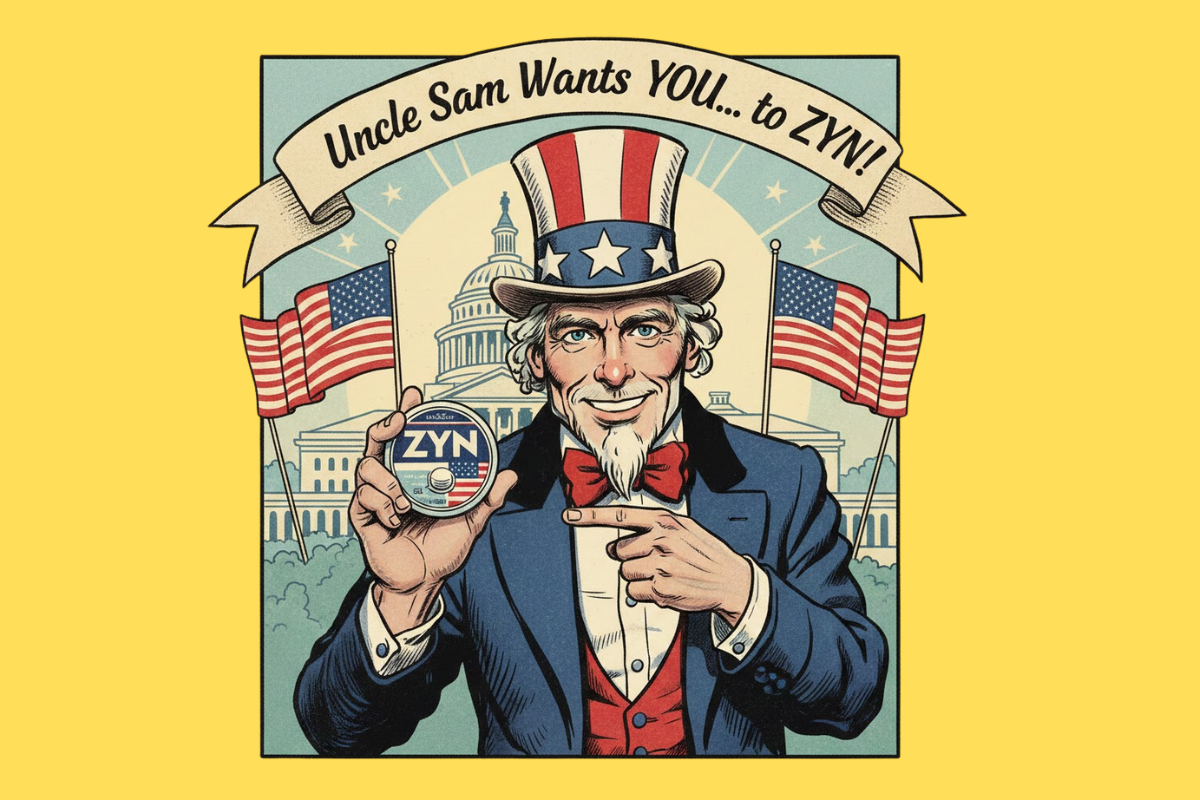
TL;DR: What Nicotine Pouches Are FDA Approved?
The FDA’s current nicotine pouch authorizations have created a “pay-to-play” market where only the world’s largest tobacco corporations can legally cross the finish line.
- Big Tobacco Dominance: As of January 2026, the only fully authorized brands are ZYN (owned by Philip Morris International) and on! PLUS (owned by Altria/Marlboro).
- The Multi-Million Dollar Barrier: The FDA’s PMTA process requires massive scientific and legal investment, effectively pricing independent and smaller companies out of the market.
- The “Fast-Track” Exception: Brands like Alp and FRE (Turning Point Brands) are currently in a pilot program to speed up approval, allowing them to remain on shelves under “enforcement discretion.”
- A $143 Billion Future: The industry is projected to grow from $7.6 billion in 2024 to $143.1 billion by 2035, a massive 30.1% CAGR that Big Tobacco is spending billions to control.
- Regulatory Limbo: Popular brands like Velo and Rogue are still legally sold but haven’t received official authorization, leaving them vulnerable to future FDA crackdowns.
Want to know something wild about the FDA’s nicotine pouch approvals? Every single product that’s officially authorized right now comes from a Big Tobacco company.
Yeah, you read that right: those “tobacco-free” pouches getting pushed as the modern alternative? They’re all owned by the same corporations that spent decades selling cigarettes.
Here’s what’s going on behind the scenes.
The Only Players at the Table
As of now, the FDA has given the green light to exactly two nicotine pouch brands: ZYN and on! PLUS. If those names sound familiar, there’s a reason.
ZYN is owned by Swedish Match US, which Philip Morris International bought for a cool $16 billion back in 2022 which means the folks behind Marlboro now control the biggest name in nicotine pouches.
On the other side, you’ve got on! PLUS, manufactured by Helix Innovations and majority-owned by Altria Group. Altria is the US arm of what used to be Philip Morris before they split operations.
So when you walk into a gas station and see these products marketed as something new and different, understand this: the money’s going to the same places it always has.
Why Only the Giants Got Through
The explanation comes down to something called the Premarket Tobacco Product Application, or PMTA for short.
It’s the FDA’s requirement that every tobacco product prove it’s “appropriate for the protection of public health” before hitting shelves.
Sounds reasonable enough until you look at what that actually costs.
We’re talking millions of dollars per product. You need scientific studies, toxicology reports, consumer perception research, manufacturing documentation, and a legal team that knows how to navigate federal regulatory processes.
For a small or independent company trying to break into the market, that’s basically a brick wall.
The barrier to entry is designed in a way that only corporations with massive resources can realistically clear it.
Philip Morris didn’t just stumble into owning ZYN. They saw cigarette sales declining year after year and made a calculated $16 billion bet that nicotine pouches represent the future.
And this future is BIG business too:
From a base of $7.6 billion in 2024, the industry is projected to skyrocket to $143.1 billion by 2035. With a massive 30.1% CAGR, this represents one of the most aggressive expansion opportunities of the next decade.
The Fast-Track Program: Alp and FRE’s Special Status

Here’s where things get interesting. As of late January 2026, two brands you might recognize —Alp and FRE—don’t have final FDA authorization either.
But they’re in a different situation than most of the other pouches out there.
Both brands are owned by Turning Point Brands, and they’re part of something the FDA launched in late 2025 called the “Fast-Track” Pilot Program.
The idea behind this program is to speed up the review process for nicotine pouches that meet certain criteria.
Right now, Alp and FRE are sitting in what’s called the Substantive Review phase.
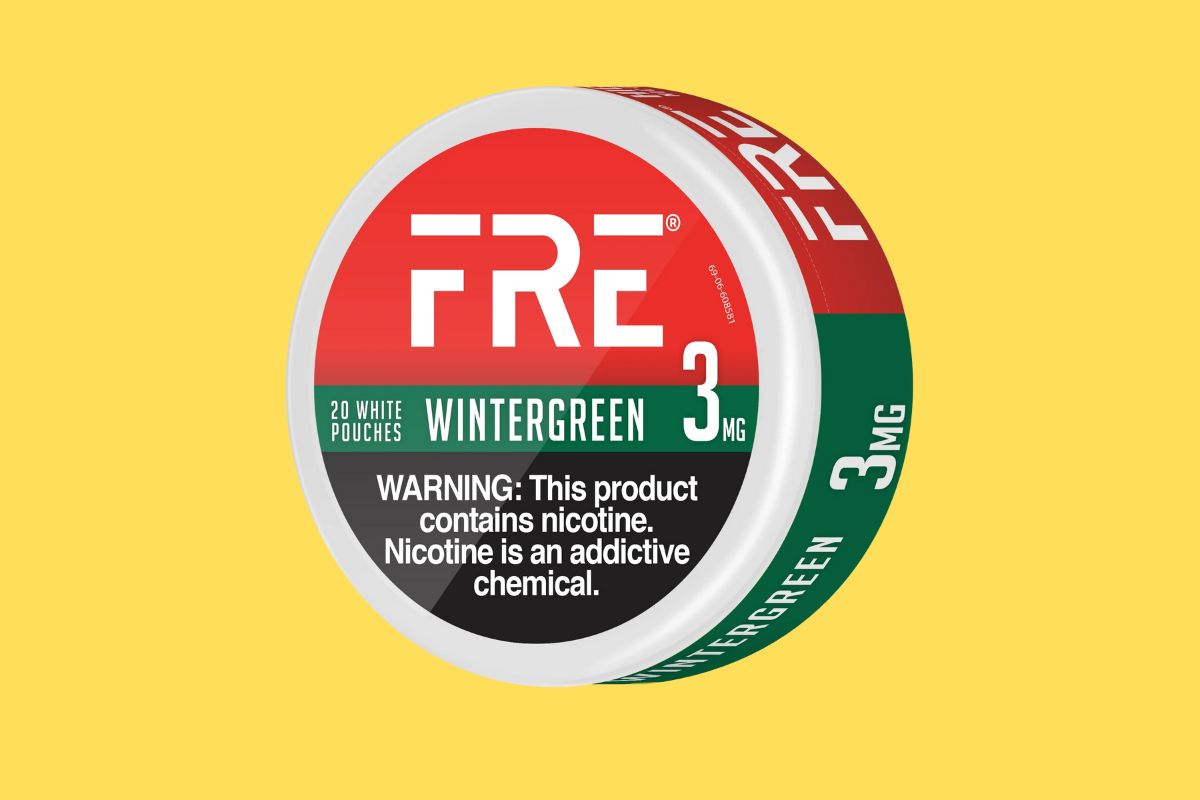
That means the FDA is actively digging through their scientific data to figure out whether these products meet the standard of being “appropriate for the protection of public health.”
What keeps them on shelves in the meantime is something called enforcement discretion.
Because Turning Point Brands submitted their applications on time and followed the proper procedures, the FDA is allowing these products to be sold legally while the review process plays out.
They don’t have the same “Marketing Granted Order” that ZYN and on! PLUS received, but they’re not operating in the gray market either.
They’re in a kind of regulatory holding pattern where they can stay available to consumers until the FDA makes a final call.
The fast-track designation suggests the FDA might be trying to create a more efficient pathway for certain products, possibly to avoid the massive backlog that’s developed with thousands of applications sitting in review.
Whether Alp and FRE will end up with full authorization depends entirely on whether their data convinces the FDA they’re not creating new public health problems.
But the fact they’re in this pilot program at least gives them a clearer shot than brands that are just waiting in the regular queue.
At the time of writing there are no independent companies going through this process, fast-tracked or otherwise.
What About Everything Else on Store Shelves?
If you’ve seen other pouch brands like Velo or Rogue at your local store, you might be wondering how they’re still around without FDA authorization.
The answer is they’re operating in regulatory limbo.
These products—also owned by Big Tobacco companies British American Tobacco and Swisher, respectively—are still under FDA review.
The agency allows them to stay on shelves while their applications work through the system, but they haven’t received final approval.
That’s an important distinction.
Being under review isn’t the same as being authorized, and the FDA could pull any of these products at any time if they decide the applications don’t meet their standards.
The Industry Shift Nobody’s Talking About
This whole situation reflects a massive transformation happening in the nicotine industry.
As smoking rates continue their long decline, tobacco companies have spent billions repositioning themselves as “smoke-free” product manufacturers.
They’re betting that consumers want nicotine without the combustion, the tar, the smell, or the stigma of cigarettes.
And they’re probably right. Nicotine pouches have exploded in popularity, especially among younger adults who never picked up smoking in the first place.
The companies know this, which is why they’re willing to spend fortunes not just on acquisitions but on getting through the FDA’s approval process.
It also goes a long way to explain the FDA’s draconian approach to vaping products which, as noted in multiple independent scientific studies, have done more for smoking reduction than any taxpayer-funded government initiative or Big Pharma NRT technology.
Where Things Go From Here
Right now, if you want an FDA-authorized nicotine pouch, your only choices come from Philip Morris International or Altria.
No independent manufacturers have made it through.
No smaller companies have managed to compete. The regulatory framework has effectively locked them out, whether that was the intention or just the result of setting the bar so high.
The FDA would argue these requirements exist to keep unsafe products off the market. Critics might point out that the same requirements create a monopoly for the biggest players in an industry with a pretty sketchy track record when it comes to public health.
For now, Big Tobacco’s transition into the “smoke-free” era is going exactly according to their plan.
They’ve got the authorized products, the market share, and the resources to keep any real competition from getting a foothold.
Whether that’s good for consumers or just good for their shareholders is something worth thinking about next time you see those pouches at the checkout counter.
Fun Fact: Philip Morris International’s purchase of Swedish Match for $16 billion represents one of the largest acquisitions in tobacco industry history. The deal was almost entirely about getting control of ZYN, which had already become the dominant nicotine pouch brand in the United States before the sale even went through.
- If you’re new to understanding how nicotine products work and what’s actually in them, grab my New Vaper’s Guide—it’s 15+ years of cutting through industry BS condensed into one free PDF.
- Want the real story on tobacco industry moves before the PR spin hits? Join The Atomized newsletter for analysis that doesn’t pull punches, and follow us on Facebook where we’re tracking this stuff daily.