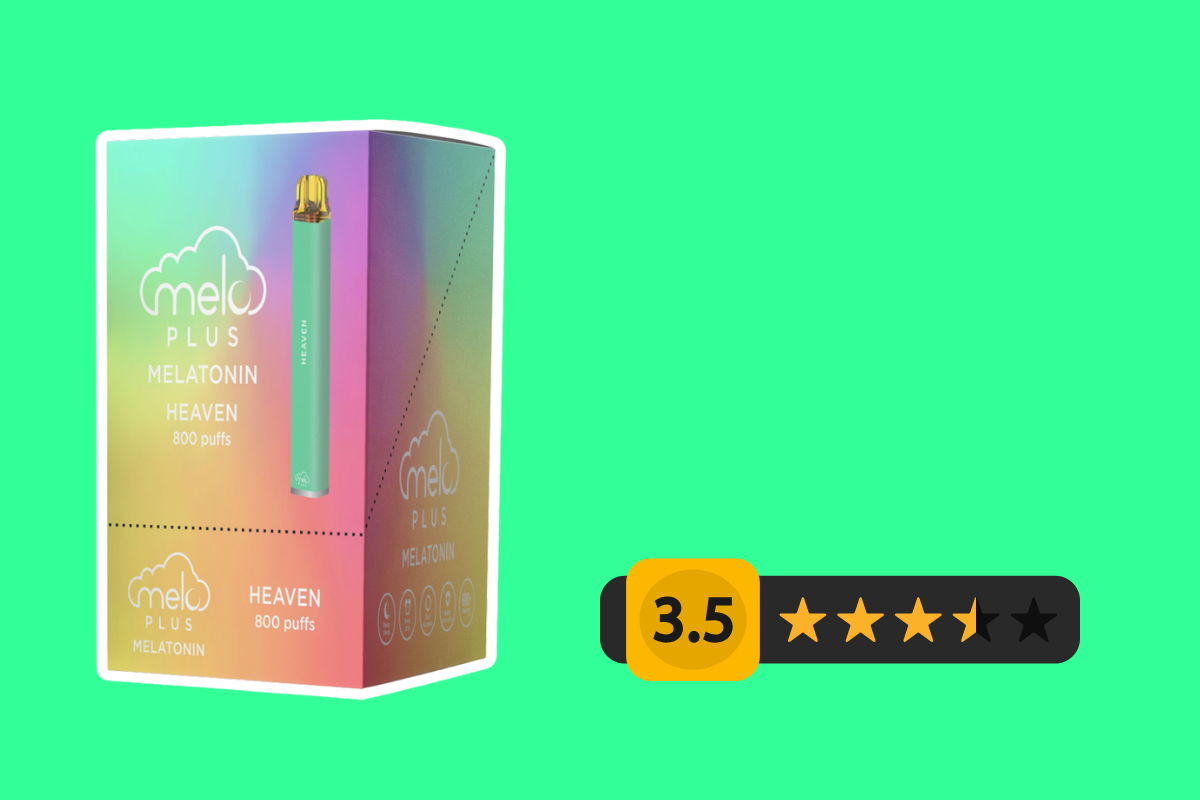
I’ll be honest with you: the first time I heard about MELO Air, I laughed. A melatonin vape? A caffeine vape? It sounded like the kind of product a wellness influencer invents after one too many mushroom coffees.
Melo Labs reached out to me to see if I’d test them. I said that I would because I have two kids and I’d do pretty much anything to have more energy AND better sleep.
So, I tested both the MELO Air and HELO Air for two weeks, and my reaction is a lot more complicated than I expected.
So let’s get into it.
What Are MELO and HELO, Exactly?
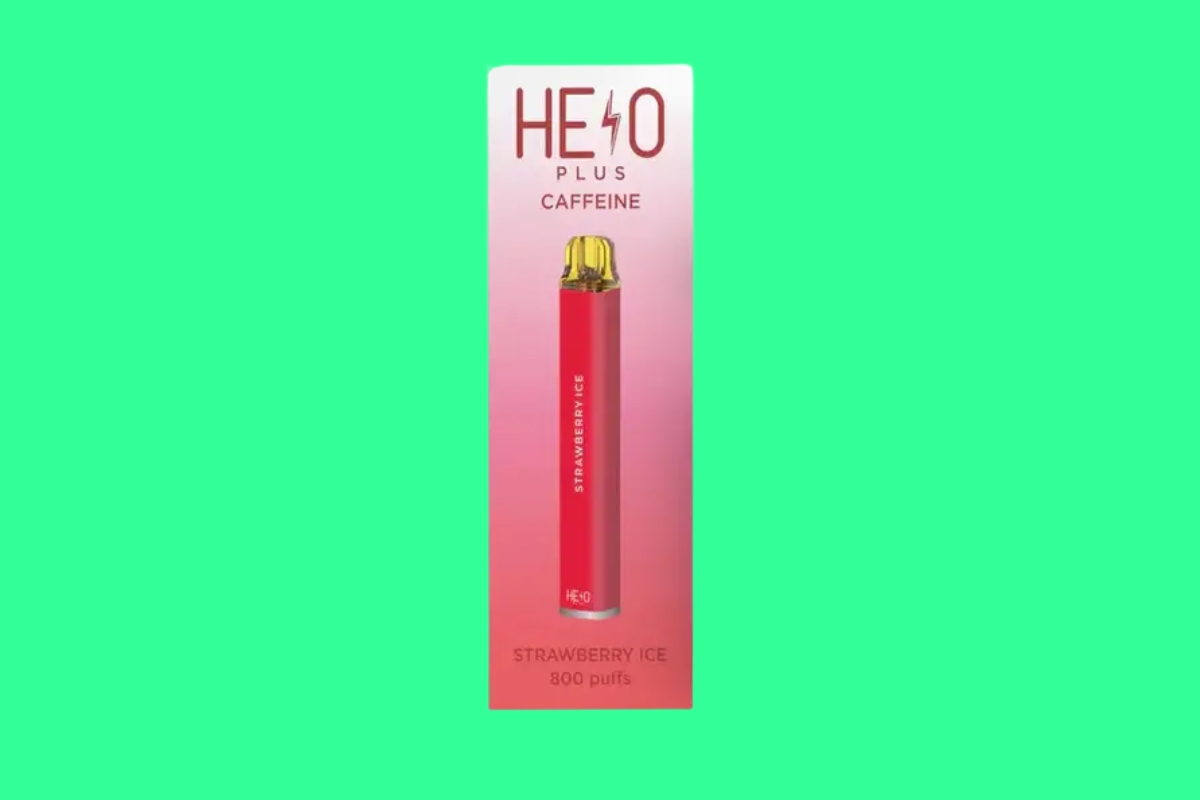
MELO Air and MELO Plus are disposable melatonin vapes designed for sleep and relaxation. HELO Air and HELO Plus are their caffeine-loaded counterparts, pitched as a portable energy hit.
All four are zero-nicotine, draw-activated sticks; they look and feel exactly like a standard disposable vape, but instead of nicotine salt juice, you’re inhaling melatonin, L-theanine, or caffeine in a VG-based blend.
The specs break down like this:
- MELO Air: ~4.3ml, ~400 puffs, melatonin + L-theanine, 0mg nicotine
- MELO Plus: ~800 puffs, melatonin blend, larger capacity
- HELO Air: ~1.4ml, ~400 puffs, 13mg caffeine by volume, 0mg nicotine
- HELO Plus: ~1.4ml, ~800 puffs, caffeine-infused, non-rechargeable
None of these are rechargeable. You use them, you bin them. That’s important, and I’ll come back to it.
How Do They Actually Feel to Use?
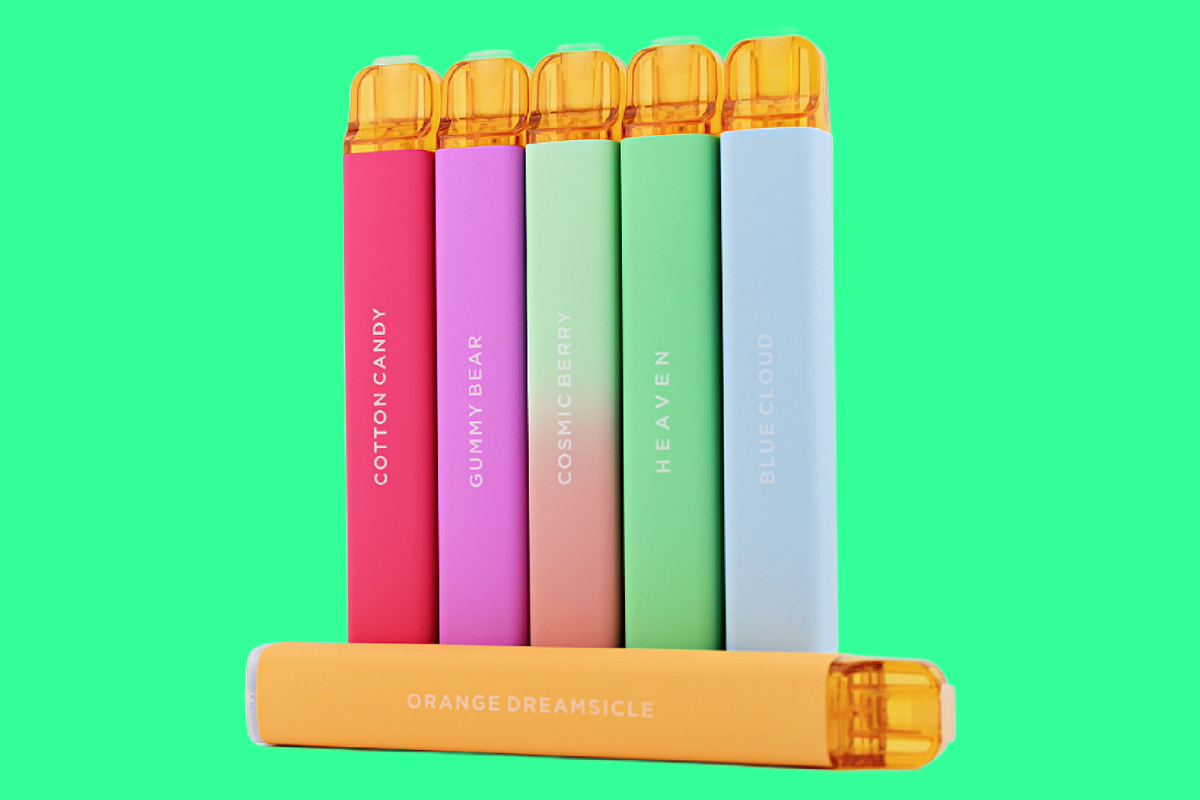
Right. So I picked up a MELO Air in Bubblegum and a HELO Air in Baja Berry. The draw on both is smooth — genuinely smooth.
No throat hit to speak of, no harshness, no coughing. If you’ve used a zero-nic disposable before, it feels almost identical to that.
MELO says they skip propylene glycol to keep it mellow, and you can tell. The flavors are candy-sweet, leaning hard into that familiar disposable aesthetic.
MELO’s recommended dose is 5-10 puffs for the melatonin effect, with about 1.3mg of melatonin in that window.
Their copy says you don’t even need to inhale into your lungs; you can take a mouth hit and exhale through your nose. That’s a low bar for anxiety around “is this safe to inhale,” which I appreciated.
Did the melatonin work? Sort of. On nights where I was already winding down anyway, a few puffs of MELO Air and I was out faster than usual.
On nights when I was stressed or staring at screens until midnight, it barely touched me. So my honest read: it’s real, but subtle, and it layers on top of good sleep hygiene rather than replacing it.
The HELO Air caffeine hit was more noticeable than I expected. Five to ten puffs in the afternoon gave me a mild but clean energy bump, nothing like espresso, more like a second cup of tea.
No jitteriness. The Baja Berry flavor was genuinely enjoyable.
Fun Fact: Melatonin is naturally produced by your pineal gland in response to darkness. Most melatonin supplements on the market contain far more than your body actually needs — the effective dose is closer to 0.3mg, not the 5-10mg you see on pharmacy shelves.
The Pros
- Zero nicotine, zero tobacco. This is the obvious headline. If you’re trying to step away from nicotine but you’re missing the ritual of a disposable — the hand-to-mouth habit, the draw, the exhale — MELO and HELO give you that without feeding the addiction. I know a few people who’ve used MELO specifically as a bridge while quitting nicotine pouches or disposables, and the feedback has been positive.
- The ritual factor is real. Look, a big part of why people vape is the sensory habit. MELO and HELO nail that part. Pocket-sized, draw-activated, smooth flavors. If you’re trying to replace a bad habit with a less harmful one, the experience is convincing.
- Simple dosing. No measuring, no capsules, no fuss. Five to ten puffs and you’re done. It’s idiot-proof in a way that I genuinely appreciate.
- Fast onset — at least anecdotally. MELO markets inhaled melatonin as faster-acting than pills, and while I can’t cite a clinical study to back that up, my personal experience matches the claim. It felt faster than the 30-45 minutes I typically wait after a gummy.
The Cons
- Disposable everything. Single-use, non-rechargeable, throw-away hardware. For 400 puffs, you’re lobbing a battery-equipped device in the bin. That’s the environmental reality and it’s not pretty. If you care about waste, this will bother you.
- The cost math is rough. A single MELO Air runs around $10-12 at most retailers. For 400 puffs, that’s decent — but compare it to a bottle of melatonin gummies and the per-dose cost is considerably higher. You’re paying for convenience and novelty.
- Effects vary wildly between people. MELO’s own copy acknowledges this. Some users report two puffs is enough to knock them out. Others call it placebo. If you’re a heavy coffee drinker, the HELO caffeine boost may feel like nothing. Your mileage will absolutely vary.
- The science is thin. Inhaling melatonin or caffeine in an aerosol is not the same as taking a capsule, and the long-term pharmacokinetics of this delivery method haven’t been rigorously studied. For most healthy adults, a few puffs is almost certainly fine. But if you’re medically cautious, “inhaled supplement” is still a pretty experimental category.
- It looks exactly like a vape. Because it is one. If you’re in a workplace, on a plane, or anywhere vapes are banned or frowned upon, this doesn’t get a free pass just because it has melatonin in it.
Fun Fact: Inhaled caffeine delivery systems have been studied since at least the early 2000s. The concept of “vaping” caffeine existed before vaping for nicotine became mainstream — it just never caught on commercially until products like HELO showed up.
MELO vs HELO: Which One Should You Get?
| MELO Air | MELO Plus | HELO Air | HELO Plus | |
|---|---|---|---|---|
| Use case | Sleep/relax | Sleep (longer) | Energy/focus | Energy (longer) |
| Nicotine | 0mg | 0mg | 0mg | 0mg |
| Puffs | ~400 | ~800 | ~400 | ~800 |
| Key actives | Melatonin + L-theanine | Melatonin | 13mg caffeine | Caffeine |
| Best for | Casual use | Regular users | Afternoon boost | Frequent users |
If you’re primarily after sleep support, start with the MELO Air before committing to the Plus. If you’re a heavy user who goes through a device quickly, the Plus versions make more financial sense per puff.
For energy, the HELO Air is a solid starting point — especially if you’re caffeine-sensitive and don’t want a full coffee hit.
Who Is This For?
MELO and HELO are genuinely best suited to former smokers or vapers who miss the ritual of disposables but want to stay off nicotine.
They’re also a decent fit for anyone who likes novelty wellness products and wants to try something different from gummies or capsules.
They’re not for you if you’re eco-conscious and hate single-use hardware, if you want pharmaceutical-grade evidence behind your supplements, or if you need a serious sleep solution for chronic insomnia. These are lifestyle products, not medical devices.
If you’re just getting into vaping and curious about what disposables are all about, check out our beginner’s vaping guide before buying anything.
Wrapping Up
MELO and HELO are more interesting than I expected them to be, and less transformative than their marketing suggests.
The hardware is solid, the flavors are good, the ritual experience is convincing, and the effects are real — just mild and variable.
If you’re an ex-vaper looking for a nicotine-free disposable experience, or you want to experiment with inhaled melatonin or caffeine, these are among the better options out there right now.
Just go in with realistic expectations and a clear head about the cost and waste trade-offs.
For more coverage on nicotine-free and alternative vaping products, check out our disposable vapes section and the broader vape reviews archive.
FAQ
Are MELO and HELO vapes safe? For healthy adults, a few puffs of a zero-nicotine, VG-based aerosol is generally considered low-risk. That said, inhaled supplements are still a relatively new category without extensive long-term safety data. If you have respiratory conditions or are pregnant, skip these and talk to your doctor.
Do MELO melatonin vapes actually work for sleep? They work for some people and not others. My experience was that they helped on nights when I was already winding down, but didn’t override stress or bad sleep habits. Think of it as a supplement to good sleep hygiene, not a replacement for it.
Can I use HELO Air instead of coffee? You can, but manage your expectations. The caffeine hit from HELO Air is mild — closer to a strong tea than an espresso shot. Heavy caffeine users probably won’t feel much. For lighter caffeine consumers, it’s a clean, jitter-free alternative.
How long does a MELO Air last? Roughly 400 puffs for the Air and 800 for the Plus. In practice, this depends on how deep your draws are. Moderate users should get a few days to a week out of one device.
Are these legal everywhere? The devices themselves are zero-nicotine, but vaping regulations vary widely by country, state, and city. Always check your local laws before buying or using any vape-style product in public.
If you’re new to vaping, grab my New Vaper’s Guide — it’s 15+ years of experience packed into one free PDF.
Want nicotine-free vape coverage and honest reviews hitting your inbox before anyone else sees them? Subscribe to The Atomized newsletter and follow us on Facebook for daily updates worth reading.