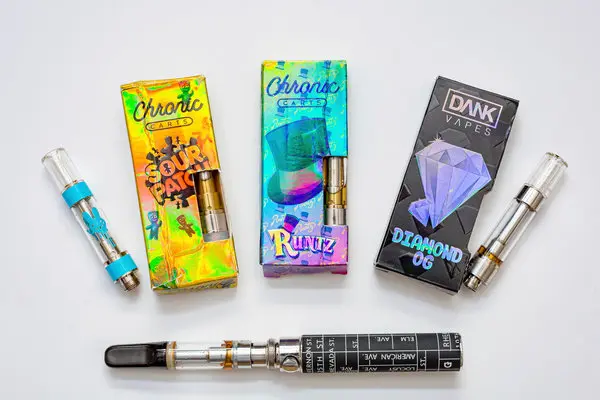
Vape carts promise steady vapor, clean flavor, and reliable performance. Yet many carts show flaws that turn a session into a mess.
A leak can waste oil and damage hardware. A failure can ruin a product before it reaches a customer. A clear look at the science behind these issues helps reveal how small faults lead to major trouble.
The role of equipment also shapes the outcome of each cart fill. A vape cartridge filling machine enters the picture early in the process and can influence quality when pressure, heat, and volume shift outside ideal ranges.
Heat, Pressure, and Fluid Behavior Shape Cart Results
Small shifts in temperature or pressure often cause the first signs of trouble. Thick oil reacts fast to heat. Too much heat thins the oil and pushes it toward weak points in the cart. Low heat slows the flow and traps bubbles inside the chamber. Each flaw weakens the seal.
A cart also depends on balanced pressure inside the tank. Too much pressure sends oil through the smallest gap. Too little pressure creates voids that pull air toward the coil. Both extremes reduce performance.
Key factors that trigger leaks
- Sudden shifts in temperature
- Incorrect pressure at the moment of filling
- Poor seals or loose hardware
- Oil with inconsistent density
Hardware design plays a major role as well. A cart with a thin center post or a weak gasket allows oil to escape once stress builds.
A coil that runs too hot creates expansion inside the chamber. Each part must support stable flow and steady vapor release.
Material Choices Influence How Long a Cart Lasts
A cart must resist heat, hold pressure, and stay stable across many sessions.
Poor material choices weaken the device before oil even touches the chamber.
Soft gaskets deform fast and allow oil to escape. Low-grade metal oxidizes and breaks the flavor. Polycarbonate tanks warp under heat and open small paths for leaks.
Better carts use robust seals and strong metal parts. A precision-cut gasket stays tight. A borosilicate tank resists heat shifts. These upgrades help preserve oil during fill and throughout use.
Signs of weak material choices
- Slow seepage near the mouthpiece
- Dark spots near seals
- Warped tanks after long exposure to heat
Producers who favor stable materials reduce failure rates across the board. The right combination of parts supports oil flow, air intake, and coil control.
How Smart Systems Help Prevent Leaks
Advanced fill systems from leaders in the field support consistent output through precise control.
Brands like Vape-Jet rely on strict SOPs that target flow rate, volume accuracy, and temperature stability.
Each step reduces random outcomes.
Each cart receives the same treatment, from warm-up to final cap.
A vape cartridge filling machine in this type of setup provides fine control over heat and volume.
Proper calibration limits bubbles. Accurate volume control protects seals. Smooth oil flow reduces stress across the hardware.
How refined SOPs protect each cart
- Uniform heat before fill
- Accurate oil volume
- Careful torque on each cap
- Quality checks at each stage
These steps limit the flaws that cause a cart to leak. Precision creates a reliable product that holds up under normal use. Producers who adopt this style of process see fewer failures and higher customer trust.
Cart failures have clear causes rooted in heat, pressure, hardware stability, and material strength. Faults in any stage of production increase the chance of a leak.
Producers who favor precise systems avoid most of these issues, so always go with brands you know and that have been vetted.