
A terp slurper can produce outstanding flavor. The question is whether the ritual attached to it — the torch, the cooldown window, the timing, the cleanup — is something you actually want every single time you dab.
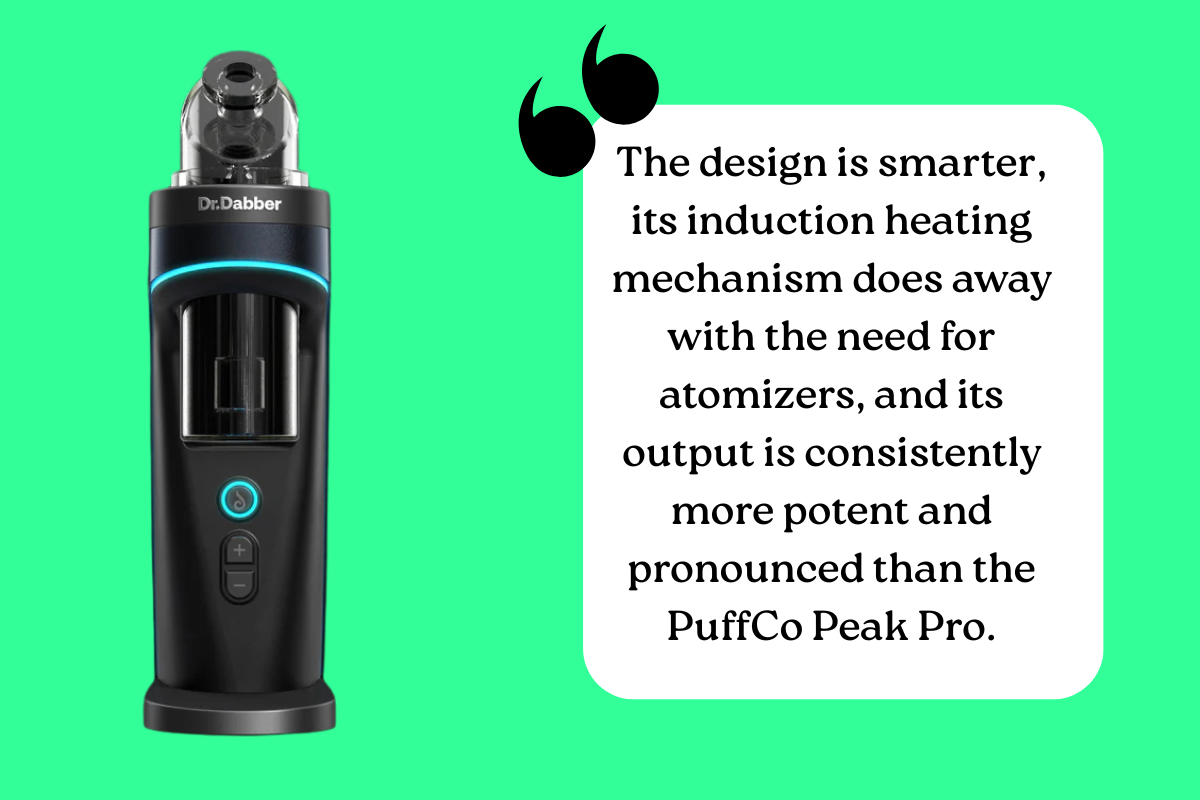
A terp slurper is a passive glass piece. It does nothing by itself — the experience lives and dies on your ability to heat it correctly, hit the right temperature window, and repeat that consistently every session. The Switch 2 is an induction-based e-rig. You set a temperature, press a button, and you’re hitting in under ten seconds. No torch, no thermometer, no cooling countdown.
| Category | Terp Slurper | Switch 2 |
|---|---|---|
| Heat-up | Torch + cooldown timing required | 3–10 second heat-up |
| Consistency | Depends entirely on torch skill and timing | Preset and app-controlled |
| Learning curve | Higher — takes time to master torch technique | Lower once initial setup is done |
| Cleaning | Careful cleaning required after every session | Quick q-tip swab of the insert |
| Session feel | Ritual-heavy, manual, hands-on | Fast, repeatable, low-friction |
| Portability | Fragile, requires butane | More self-contained |
| Upfront cost | Lower for glass alone | Higher — but torch/accessories add up |
If you’ve been using a terp slurper for a while, you know the routine. Heat the slurper, wait for it to cool to your preferred temperature window (eyeballing or checking with an IR thermometer), drop your concentrate in, cap it, and hit it before the temperature drops too far. Do it right and it’s genuinely excellent. Do it slightly wrong and you either waste concentrate or get a weak, uneven hit.
Fun Fact: Butane torches burn at around 2,500°F — far hotter than any banger or slurper needs. Most experienced users aim for 450°F–600°F for concentrates.
For users reluctant to leave the terp slurper because of flavor, the Sapphire Induction Cup is the closest thing to a glass-on-glass experience in an induction setup. The Switch 2 Incycler Glass Attachment also helps — more water volume and a recycling airflow path that makes the draw feel considerably more like a traditional glass piece.
Fun Fact: Terp slurpers were designed specifically to reduce concentrate waste — the slurper tube draws concentrate up and vaporizes it from multiple surfaces simultaneously. They caught on quickly after being popularised around 2019–2020.
Choose the terp slurper if:
Choose the Switch 2 if:
FAQ
Ready to Ditch the Torch?
Read our full hands-on review and buying guide.
Switch to Induction — See the Switch 2Let's Connect!
If you want to connect with VapeBeat, we're active on the following social media platforms – don't be shy!
Company
Resources
Buy Vape Juice
Buy Pod Vapes
© 2026 · VapeBeat is a New Word Order Limited Brand